
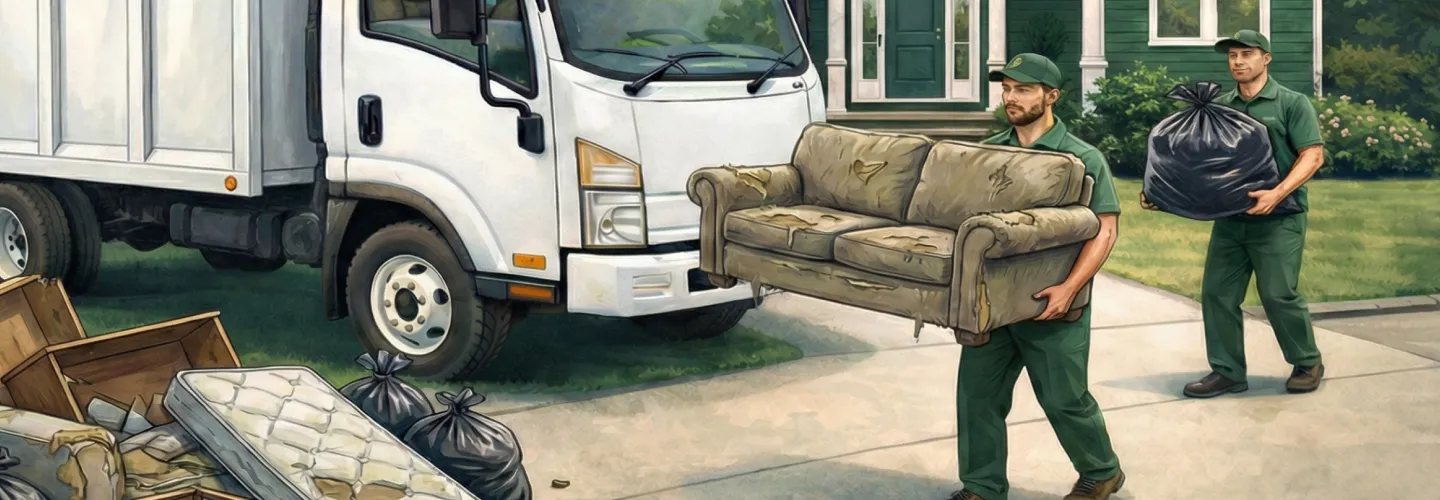
Hampton Construction Waste Management Services
Choose us for your construction waste management needs and experience hassle-free, eco-friendly disposal that keeps your project on schedule and your site safe—because your peace of mind matters.
Get a Free QuoteOur Hampton Junk Removal Services
Construction Waste Management in Hampton, GA – Local Service Guide
Construction waste management in Hampton, GA, is essential for maintaining clean neighborhoods and supporting responsible growth. Whether you’re renovating a home in Tara Place, clearing out a business on Main Street, or managing debris from new builds near Lovejoy Road, local regulations and logistics play a key role. For residential items like furniture, mattresses, or appliances, disposal often follows life events such as moving, seasonal cleanouts, or upgrades. Neighborhoods like Crystal Lake may see increased activity during spring and fall, with options to donate, recycle, or schedule pickups depending on item size and weather conditions. Garage, basement, and yard waste removal is often driven by storm cleanup or property maintenance, especially in flood-prone areas or those with heavy tree coverage. Commercial sectors—offices, restaurants, and warehouses—require discreet, timely removal to minimize disruption, with higher volumes common in retail corridors. Specialty services, such as dumpsters for construction debris or estate cleanouts, demand careful planning and coordination, particularly for large-scale projects or foreclosures.
Benefits of Construction Waste Management in Hampton
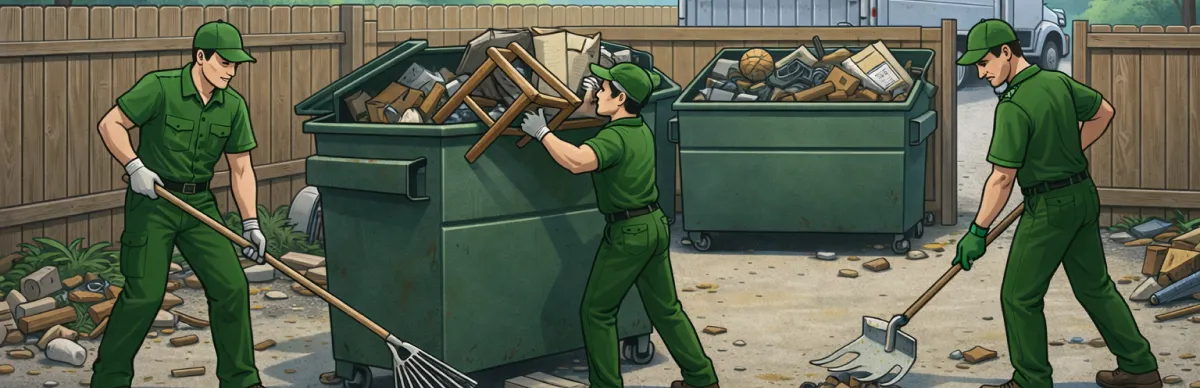
Efficient Site Cleanup
Cost-Effective Waste Disposal
Eco-Friendly Recycling Solutions
Regulatory Compliance Assurance
Improved Project Safety
Streamlined Waste Removal Process
Coordinating Construction Debris Disposal with Hampton's Public Works Department
Construction and demolition (C&D) projects in Hampton, GA generate significant volumes of waste that require proper coordination with municipal services. The Hampton Public Works Department oversees sanitation services and can provide guidance on approved disposal methods for construction materials. Before beginning any renovation or demolition project, property owners and contractors should confirm waste handling requirements with the city to avoid code violations. Key considerations include:
- Material types such as lumber, drywall, roofing shingles, concrete, brick, and metal framing each carry distinct disposal requirements
- Scheduling debris removal during approved operating hours to comply with local noise ordinances
- Separating recyclable materials from general construction waste prior to transport
- Verifying hauler licensing to confirm that any contracted waste removal company holds proper authorization to operate within Hampton's jurisdiction
Failure to follow municipal guidelines may result in fines or project delays enforced through code compliance actions.
Hampton Public Works Department
1907 Highway 81, Hampton, GA 30228
Phone: (770) 946-4306
Official Website: Hampton Public Works Department
Hampton Building Permit Requirements for Renovation and Demolition Debris
Any construction project generating waste in Hampton typically requires a building permit issued through the city's Building Inspections division. Permits ensure that demolition and renovation activities comply with structural safety codes, environmental protections, and proper waste management procedures. Contractors and homeowners should submit permit applications before work begins and maintain documentation throughout the project. Important permit-related obligations include:
- Demolition permits are required before tearing down structures or removing load-bearing walls, and inspectors may verify waste disposal plans as part of the approval process
- Renovation permits for projects involving plumbing, electrical, or structural modifications must account for debris generated during construction
- Pre-1978 buildings may require lead paint assessments under the EPA Renovation, Repair, and Painting Rule before any disturbance of painted surfaces
- Asbestos surveys should be conducted on older structures prior to demolition, as friable asbestos materials require licensed abatement contractors for safe removal
Permit applications are reviewed by Hampton's Building Inspections office, and inspectors may conduct site visits to verify compliance.
Hampton Building Inspections
1907 Highway 81, Hampton, GA 30228
Phone: (770) 946-4306
Official Website: Hampton Building Inspections
Georgia's Solid Waste Management Act and Construction Material Disposal Standards
Georgia regulates construction and demolition waste under the Georgia Comprehensive Solid Waste Management Act (O.C.G.A. § 12-8-20), administered by the Georgia Environmental Protection Division (GA EPD). This legislation establishes standards for the handling, transport, and disposal of C&D materials throughout the state, including within Hampton and Henry County. Contractors and property owners must comply with the following state-level requirements:
- C&D landfills are classified separately from municipal solid waste landfills; construction debris must be directed to facilities permitted to accept such materials
- Inert waste such as concrete, brick, and uncontaminated soil may qualify for disposal at inert waste landfills, which carry different permitting standards
- Hazardous materials including lead-based paint debris, asbestos-containing materials, and chemical solvents are prohibited from C&D landfills and must be handled through licensed hazardous waste facilities
- Illegal dumping of construction waste carries penalties including fines and potential criminal charges under Georgia law
- Waste hauler permits are required for commercial entities transporting C&D debris within the state
Georgia Environmental Protection Division
2 Martin Luther King Jr. Drive SE, Suite 1456, Atlanta, GA 30334
Phone: (404) 656-4713
Official Website: Georgia Environmental Protection Division
Stormwater Protection and Erosion Control During Hampton Construction Projects
Construction sites in Hampton must implement stormwater management practices to prevent sediment, debris, and pollutants from entering local waterways. The city's Stormwater Management program enforces erosion and sediment control measures that directly affect how construction waste is stored and handled on-site. Projects disturbing one or more acres of land are also subject to the Georgia General Permit for Construction Activity, requiring a Notice of Intent filed with GA EPD. Essential stormwater compliance measures for construction waste include:
- Silt fencing and sediment barriers must be installed around debris staging areas to prevent runoff contamination
- Covered waste storage is required for materials that could leach chemicals or particulates during rain events
- Concrete washout areas must be designated and contained to prevent alkaline runoff from reaching storm drains
- Sweep and clean access roads and adjacent streets regularly to prevent sediment tracking from the construction site
- Spill prevention plans are required for sites storing fuels, paints, adhesives, or solvents used during construction
Violations of stormwater regulations may result in stop-work orders and fines issued by Hampton's code enforcement or Henry County authorities.
Material Sorting and Recycling Requirements for Hampton Construction Projects
Proper separation of construction materials supports landfill diversion goals and may be required depending on project scope and the receiving disposal facility. Henry County and surrounding jurisdictions operate transfer stations and recycling facilities that accept sorted C&D materials at reduced rates compared to mixed loads. Contractors working in Hampton should implement on-site sorting practices to maximize material recovery. Common recyclable construction materials include:
- Concrete, asphalt, and masonry can be crushed and reused as aggregate base material at permitted recycling facilities
- Scrap metal including steel framing, copper wiring, aluminum flashing, and iron fixtures holds resale value and should be separated for scrap metal recyclers
- Clean wood that is unpainted and untreated may be accepted for mulching or biomass processing at designated facilities
- Cardboard and packaging from new construction materials should be collected separately for standard recycling
- Roofing shingles (asphalt) are accepted at some specialized recycling facilities for reprocessing into road paving material
Appliances with refrigerants removed during renovation must comply with EPA Section 608 regulations, requiring certified technician recovery before disposal. Mixed or contaminated loads may be rejected at recycling facilities or assessed surcharges.
What Neighborhoods Do We Serve Throughout Hampton, GA?
- Downtown Hampton: The historic core along Main Street features older commercial and residential structures. Renovation and demolition projects may require additional review through Hampton Planning & Zoning for compliance with preservation guidelines, and narrow lot configurations can limit debris staging areas.
- Bear Creek Subdivision: This established residential community features single-family homes with standard driveway access. Construction waste from home remodeling projects typically involves roofing, siding, and interior renovation debris requiring curbside staging and scheduled hauler pickup.
- Lovejoy Road Corridor: A mix of residential properties and developing parcels along this corridor presents varied access conditions. Larger lots may accommodate on-site debris sorting, while properties closer to the roadway require careful traffic management during waste removal.
- Hampton Oaks: Newer residential development with wider streets and accessible lot layouts. Construction waste from additions, deck installations, and landscaping projects is common, and HOA guidelines may govern debris storage duration and placement visibility.
- Tussahaw Point Area: Properties near the reservoir may face additional environmental restrictions related to stormwater runoff and erosion control. Construction debris must be managed to prevent contamination of nearby water resources, and sediment control measures are closely monitored.
- West Hampton / Highway 19 Corridor: Commercial and mixed-use properties along this route generate construction waste from tenant buildouts and facility renovations. Coordination with Hampton Main Street & Economic Development may be necessary for projects affecting the public right-of-way.