
Hampton Basement & Attic Cleaning Services
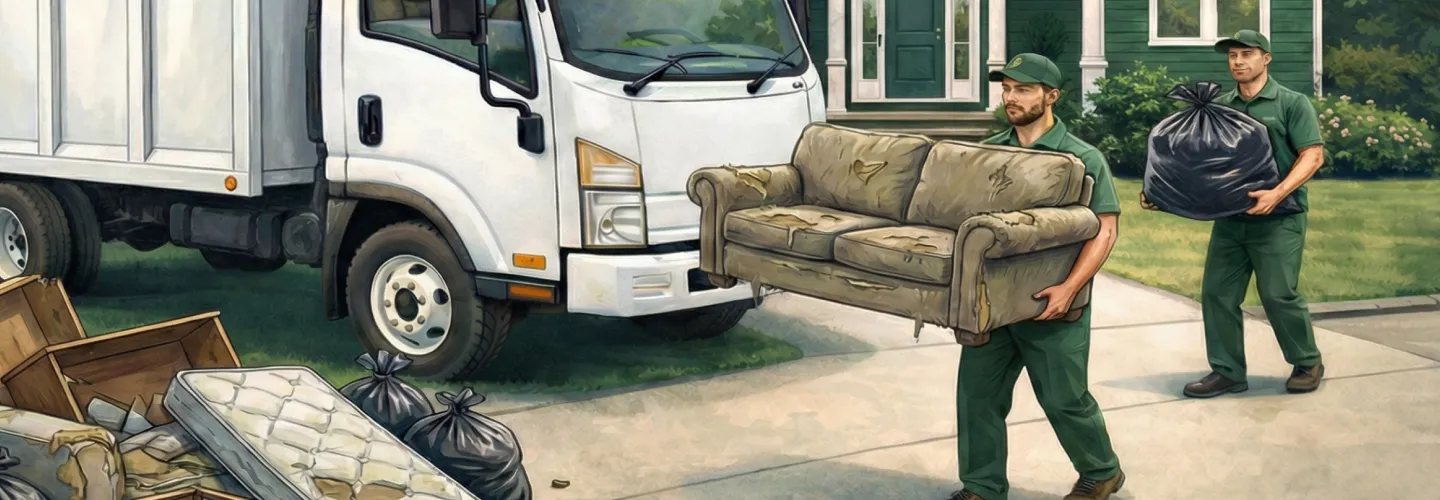
Choose our expert Basement & Attic Cleaning for a healthier, clutter-free home—enjoy peace of mind with thorough, reliable service that eliminates dust, allergens, and unwanted debris.
Get a Free QuoteOur Hampton Junk Removal Services
Basement & Attic Cleaning in Hampton, GA – Local Service Guide
Basement and attic cleaning in Hampton, GA is essential for maintaining healthy, functional homes and businesses. In neighborhoods like Tara Place and Crystal Lake, seasonal cleanouts often follow spring storms or precede the humid summer, helping prevent mold and pest issues. Homeowners typically schedule cleanings during major life events—such as moving, renovations, or replacing large items like appliances or mattresses. Local disposal options include donation centers, recycling facilities, and city-approved waste services, but access and weather can impact logistics, especially in older homes with narrow stairways or limited driveway space. Commercial properties in areas like downtown Hampton and along Highway 20 require discreet, timely cleanouts to minimize business disruption, often dealing with higher volumes and stricter operational requirements. Specialty projects—such as estate or foreclosure cleanouts—demand careful planning and coordination, particularly when handling hazardous materials or large debris. For guidance on local disposal rules and property maintenance, consult the Hampton Public Works Department.
Key Considerations for Basement & Attic Cleaning in Hampton
- Optimal timing: post-storms, before summer humidity, or during property transitions
- Permits may be needed for large-scale disposals or structural changes
- Use city-approved disposal and recycling channels
- Plan for access challenges in historic or multi-story homes
- Estimate volume and coordinate pickups for bulky or specialty items
- Address category-specific needs: electronics, scrap metal, or hazardous waste
Benefits of Basement & Attic Cleaning in Hampton
Improved Indoor Air Quality
Enhanced Home Safety
Prevention of Mold and Mildew
Increased Storage Space
Pest Infestation Control
Boosted Property Value
Coordinating Basement and Attic Debris Disposal with Hampton's Public Works Department
Basement and attic cleaning projects in Hampton frequently generate large volumes of accumulated household items, old furniture, stored electronics, and miscellaneous debris requiring proper disposal. The City of Hampton's Public Works Department oversees sanitation services and can provide guidance on bulk item collection scheduling and accepted materials. Residents should be aware of the following disposal considerations before beginning a cleanout:
- Bulk item pickup must be coordinated in advance through the Public Works Department; items should not be placed curbside without prior scheduling
- Separated materials — such as metals, electronics, and household chemicals — may require different disposal streams
- Oversized items like old water heaters, furniture, and appliances found in basements may be subject to special collection requirements
- Yard debris and construction materials mixed with household items must be sorted before collection
Hampton's city ordinances govern property maintenance standards, including requirements for debris removal and storage on residential properties.
Hampton Public Works Department
City Hall, 145 South Railroad Street, Hampton, GA 30228
Phone: (770) 946-4306
Official Website: Hampton Public Works Department
Hampton Building Permit and Code Compliance for Basement and Attic Renovation Debris
When basement or attic cleaning involves structural modifications — such as removing built-in shelving, old insulation, or non-load-bearing partitions — Hampton's Building Inspections division may require permits before work begins. Homes constructed before 1978 present additional regulatory concerns, as disturbed materials may contain lead-based paint or asbestos-containing insulation. Key compliance requirements include:
- Building permits are required for any demolition or structural alteration work, even in basements and attics
- Pre-1978 homes must follow the EPA Renovation, Repair, and Painting Rule when disturbing painted surfaces exceeding six square feet
- Asbestos-containing materials — common in older pipe insulation, floor tiles, and vermiculite attic insulation — require testing before removal and licensed abatement if friable material is confirmed
- Code enforcement may inspect properties where exterior debris accumulation from cleanout projects violates Hampton's property maintenance ordinances
Residents should contact Hampton Building Inspections before beginning any project that goes beyond simple item removal.
Hampton Building Inspections
145 South Railroad Street, Hampton, GA 30228
Phone: (770) 946-4306
Official Website: Hampton Building Inspections
Georgia Solid Waste Management Act Requirements for Basement and Attic Cleanout Materials
Georgia's Solid Waste Management Act (O.C.G.A. § 12-8-20 et seq.) establishes statewide standards for the handling, transportation, and disposal of solid waste generated during residential cleanout projects. The Georgia Environmental Protection Division (GA EPD) enforces these regulations at the state level, and Hampton residents must comply with both state and local requirements when disposing of materials removed from basements and attics. Important regulatory provisions include:
- Hazardous household waste — including old paint cans, pesticides, solvents, and chemical cleaners commonly stored in basements — is prohibited from regular solid waste disposal
- Electronics such as old televisions, computer monitors, and printers should be directed to certified e-waste recyclers rather than landfills
- Appliances containing refrigerants (basement freezers, dehumidifiers, window air conditioning units) require refrigerant recovery by an EPA Section 608-certified technician before disposal
- Tires, batteries, and fluorescent light bulbs found during cleanouts are subject to separate disposal requirements under Georgia law
- Illegal dumping of cleanout debris carries penalties including fines and potential criminal charges under state statute
Henry County, which encompasses Hampton, may offer periodic household hazardous waste collection events for residents needing to dispose of chemicals and restricted materials discovered during basement and attic cleaning.
Stormwater Protection and Debris Containment During Hampton Cleanout Projects
Basement and attic cleaning projects can generate dust, particulate matter, and liquid waste that must be properly contained to prevent stormwater contamination. Hampton's Stormwater Management program enforces regulations designed to protect local waterways and drainage infrastructure. Residents and service providers should observe the following precautions during cleanout operations:
- Debris staging areas should be located away from storm drains, ditches, and drainage swales to prevent material from entering the stormwater system
- Liquid waste — including water from flooded basements, old paint, or chemical spills — must never be poured into storm drains or onto the ground
- Dust suppression measures should be employed when removing large quantities of dry, dusty materials such as old insulation or deteriorated stored goods from attics
- Cleaning solutions and wastewater used during post-cleanout sanitation must be disposed of through sanitary sewer systems, not stormwater infrastructure
- Sediment and debris must be swept or vacuumed from driveways and sidewalks after loading, rather than washed into gutters
Failure to comply with stormwater protection requirements may result in code enforcement action and fines under Hampton's municipal ordinances.
Recycling and Donation Opportunities for Salvageable Basement and Attic Items in Hampton
Many items discovered during basement and attic cleanouts remain functional and can be diverted from landfills through donation or recycling programs. Hampton residents are encouraged to sort materials before disposal to maximize landfill diversion. The following options are available for common salvageable items:
- Furniture and household goods in usable condition may be donated to local charitable organizations such as Habitat for Humanity ReStore locations in the greater Henry County area
- Scrap metal — including old shelving, metal bed frames, and hardware — can be taken to licensed scrap metal recyclers for material recovery
- Clothing and textiles stored in attics should be separated and donated to textile collection programs rather than disposed of as solid waste
- Books, records, and paper goods may be accepted by local libraries, thrift stores, or paper recycling facilities
- Electronics should be directed to certified e-waste recyclers; many retailers offer free drop-off for covered devices
Hampton's Main Street and Economic Development office may provide information on local businesses and organizations that accept donated goods, supporting both waste reduction and community benefit.
What Neighborhoods Do We Serve Throughout Hampton, GA?
- Downtown Hampton Historic District: Older homes near Main Street may feature original basements with narrow stairwells and low ceiling heights, requiring careful navigation during item removal. Properties in this area may be subject to historic preservation considerations when structural modifications are involved.
- Bear Creek Subdivision: Single-family homes with standard attic and basement access points. Wide residential streets accommodate service vehicles, though HOA guidelines may govern curbside debris staging duration and placement.
- Lovejoy Road Corridor: A mix of established residential properties and newer developments. Older homes along this corridor may contain vermiculite attic insulation or other materials requiring hazardous material assessment before disturbance.
- Hampton Oaks: Newer construction with accessible attic spaces and crawl spaces rather than full basements. Driveway access is generally straightforward, and neighborhood covenants may require prompt removal of staged debris.
- Tussahaw Point and Lake-Adjacent Areas: Properties near local waterways require heightened attention to stormwater protection during cleanout operations. Debris must be staged well away from shorelines and drainage features to comply with environmental regulations.
- West Hampton Residential Areas: Established neighborhoods with mature tree canopy may present overhead clearance challenges for larger service vehicles. Properties with detached garages or outbuildings may require separate cleanout coordination.