
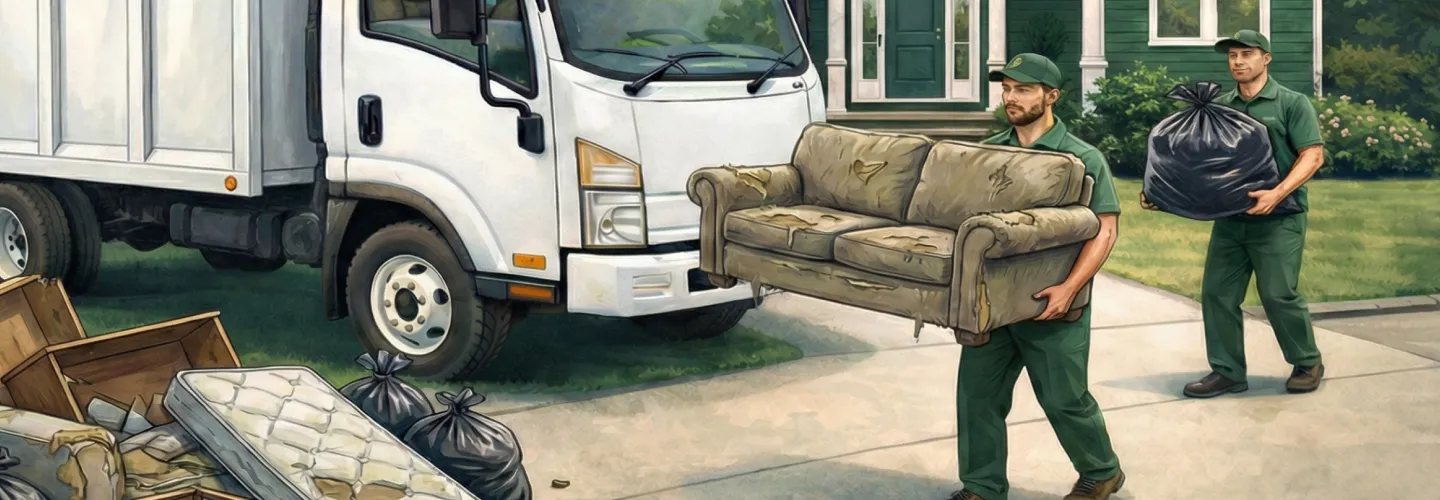
Hampton Property Management Junk Removal Services
Choose our Property Management Junk Removal for reliable, hassle-free service that keeps your properties clean, compliant, and ready for new tenants—saving you time and ensuring peace of mind.
Get a Free QuoteOur Hampton Junk Removal Services
Property Management Junk Removal in Hampton, GA – Local Service Guide
Property management junk removal in Hampton, GA, is essential for maintaining residential and commercial properties across neighborhoods like Tara Place and Hampton Station. For residential items such as furniture, mattresses, and appliances, removal often coincides with seasonal cleanouts, tenant turnovers, or upgrades—especially during spring and fall or after major life events. Local options include donation, recycling, or responsible disposal, with logistics shaped by property access, weather, and item size. Spaces like garages, basements, and yards require attention after storms or during yard waste cycles, particularly in areas prone to flooding or with dense tree coverage. Commercial properties in downtown Hampton or near the Speedway face unique needs, from discreet office cleanouts to high-volume retail or hospitality turnovers, often requiring flexible scheduling and sector-specific handling. Specialty services—like dumpster rentals, foreclosure cleanouts, or construction debris removal—demand careful planning, coordination with property managers, and adherence to local guidelines for safe, efficient results.
Key Considerations for Property Management Junk Removal in Hampton
- Timing cleanouts with tenant changes, storms, or seasonal cycles
- Securing necessary permits and understanding local ordinances
- Choosing proper disposal or recycling channels for different item types
- Ensuring property access for large or bulky removals
- Managing volume and coordinating with multiple stakeholders
- Addressing category-specific requirements, such as hazardous materials or specialty items
Benefits of Property Management Junk Removal in Hampton
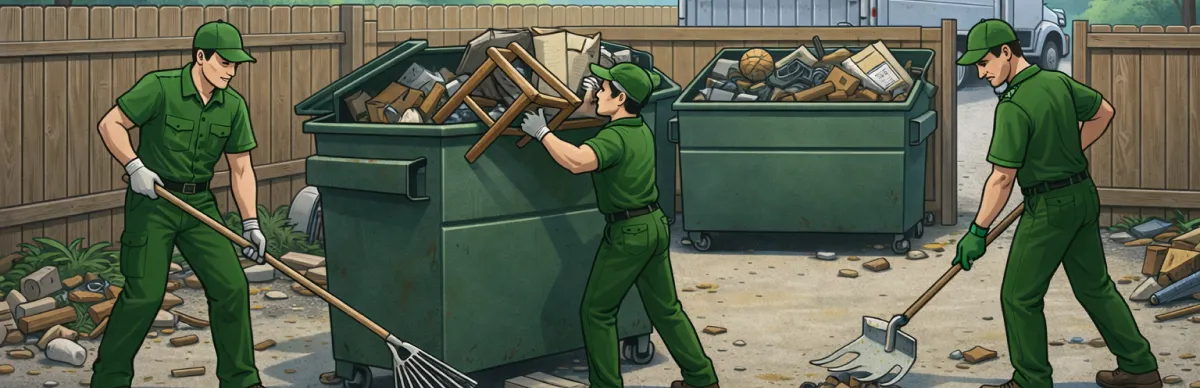
Fast Turnaround Times
Reliable Scheduling
Licensed and Insured Team
Eco-Friendly Disposal
Comprehensive Cleanouts
Flexible Service Plans
Coordinating Property Management Junk Removal with Hampton's Public Works and Sanitation Services
Property managers in Hampton, GA, must coordinate junk removal activities with the city's Public Works Department, which oversees sanitation services, street maintenance, and waste infrastructure. Hampton operates within Henry County's broader solid waste framework, meaning property managers should verify both municipal and county-level disposal requirements before scheduling large-scale cleanouts. Key coordination steps include:
- Schedule bulk removal around regular sanitation collection days to avoid curbside accumulation and potential code violations
- Confirm acceptable item categories with Public Works before placing materials at the curb, as oversized or prohibited items may be rejected
- Obtain any required permits through Hampton Building Inspections if removal involves renovation debris or structural components
- Ensure haulers are properly licensed and insured to operate within city limits
- Avoid blocking public rights-of-way during loading operations, as violations may result in citations from the Hampton Police Department
Property managers should contact Public Works directly to confirm current collection protocols and any seasonal schedule adjustments.
Hampton Public Works Department
1033 West Main Street, Hampton, GA 30228
Phone: (770) 946-4306
Official Website: Hampton Public Works Department
Hampton Property Maintenance Ordinances and Code Enforcement for Junk Accumulation
Hampton's municipal ordinances establish clear standards for property maintenance, including restrictions on junk accumulation, debris storage, and exterior property conditions. Property managers who fail to remove abandoned furniture, appliances, or general debris from rental units and common areas risk code enforcement action. The city's ordinance framework addresses several areas relevant to junk removal:
- Exterior property standards prohibit the accumulation of discarded household items, broken appliances, and construction debris on visible portions of residential and commercial properties
- Timeframes for compliance are typically established through written notice from code enforcement, with penalties escalating for non-compliance
- Vacant property requirements mandate that property managers maintain cleared lots and structures free of debris, abandoned furnishings, and hazardous materials
- Tenant turnover obligations require property managers to remove all abandoned personal property in accordance with Georgia landlord-tenant law before re-leasing units
- Illegal dumping on public or private property is subject to fines and potential criminal prosecution under both city ordinances and Georgia state law
Property managers should review Hampton's full ordinance code and consult with the Building Inspections department regarding specific compliance questions.
Hampton Building Inspections
1033 West Main Street, Hampton, GA 30228
Phone: (770) 946-4306
Official Website: Hampton Building Inspections
Georgia Solid Waste Management Act Compliance for Hampton Property Managers
Property managers conducting junk removal in Hampton must comply with the Georgia Comprehensive Solid Waste Management Act (O.C.G.A. § 12-8-20) administered by the Georgia Environmental Protection Division (GA EPD). This state law establishes the regulatory framework for solid waste handling, transportation, and disposal across all Georgia municipalities, including Hampton. Key compliance requirements include:
- Solid waste transportation requires that haulers use covered vehicles to prevent debris from scattering during transit to approved disposal facilities
- Disposal at permitted facilities only — all solid waste must be delivered to facilities holding valid GA EPD permits; illegal dumping carries fines of up to $25,000 per day per violation under state law
- Hazardous waste separation is mandatory; items such as paint, solvents, pesticides, batteries, and fluorescent bulbs must not be mixed with general solid waste
- Appliance refrigerant recovery is required under EPA Section 608 regulations before any refrigerator, air conditioner, or freezer is disposed of
- Scrap tires must be delivered to permitted tire processors or retailers; accumulation of more than 100 tires on any property requires a GA EPD permit
Georgia Environmental Protection Division
2 Martin Luther King Jr. Drive SE, Suite 1456 East, Atlanta, GA 30334
Phone: (404) 656-4713
Official Website: Georgia Environmental Protection Division
Hazardous Material Identification and Safe Handling During Hampton Rental Property Cleanouts
Property management junk removal in Hampton frequently involves materials that require special handling due to age, composition, or hazardous classification. Many rental properties in the Hampton area were constructed before 1978, which raises concerns about lead-based paint and asbestos-containing materials during renovation-related cleanouts. Property managers must observe the following safety and regulatory requirements:
- Lead-based paint — any disturbance of painted surfaces in pre-1978 buildings must comply with the EPA Renovation, Repair, and Painting Rule, requiring certified renovators and lead-safe work practices
- Asbestos-containing materials such as floor tiles, pipe insulation, and popcorn ceilings require professional assessment before removal; Georgia requires notification to GA EPD for demolition and renovation projects involving asbestos
- Electronics and e-waste including televisions, computer monitors, and printers should be directed to certified recycling facilities rather than landfills
- Household chemicals such as cleaning agents, paint cans, and pesticides found during tenant cleanouts must be separated and taken to a household hazardous waste collection event or facility
- Batteries and fluorescent lighting require separate disposal through designated recycling programs; lithium batteries pose fire risks if compacted with general waste
Henry County Fire Rescue can provide guidance on emergency hazardous material situations encountered during property cleanouts.
Stormwater Protection and Debris Management on Hampton Properties
Property managers must ensure that junk removal activities do not contribute to stormwater pollution or drainage obstruction. Hampton's Stormwater Management program enforces regulations designed to protect local waterways and prevent pollutant discharge during property maintenance and cleanout operations. Compliance considerations include:
- Prevent debris from entering storm drains — loose materials, packaging, and small items must be contained during loading to prevent wind-blown litter from reaching drainage infrastructure
- Liquid waste prohibition — no paints, solvents, cleaning chemicals, or other liquids may be poured into storm drains, gutters, or ditches during property cleanouts
- Staging area management — materials staged for removal on driveways or parking lots should be covered or contained to prevent runoff contamination during rain events
- Erosion control — if junk removal involves clearing overgrown lots or removing structures, exposed soil must be stabilized to prevent sediment discharge
- Report illegal dumping to the Hampton Police Department or Public Works if debris is discovered dumped near streams, drainage channels, or public property
These requirements align with federal Clean Water Act provisions enforced through Georgia's stormwater permitting program.
Hampton Stormwater Management
1033 West Main Street, Hampton, GA 30228
Phone: (770) 946-4306
Official Website: Hampton Stormwater Management
What Neighborhoods Do We Serve Throughout Hampton, GA?
- Downtown Hampton Historic District: Older commercial and residential structures along Main Street may contain lead paint and asbestos-containing materials requiring specialized handling. Narrow lot configurations and on-street parking limitations necessitate advance coordination for truck staging and loading operations.
- Bear Creek Subdivision: Single-family residential community with standard driveway access suitable for most removal vehicles. Tenant turnover cleanouts are common; property managers should verify HOA guidelines regarding curbside staging of removal items and scheduling restrictions.
- Lovejoy Road Corridor: Mix of older residential properties and commercial parcels along a high-traffic route. Properties near this corridor may require traffic management considerations during curbside loading, and older structures warrant hazardous material screening before demolition-related removal.
- Hampton Oaks: Established neighborhood with mature tree canopy that may limit overhead clearance for larger removal trucks. Single-family rental properties in this area frequently require estate cleanout and tenant turnover services.
- Tussahaw Point and Lake-Adjacent Areas: Properties near Tussahaw Creek and surrounding waterways require heightened attention to stormwater protection during debris removal. Staging areas must be managed to prevent materials from entering drainage channels or environmentally sensitive zones.
- West Main Street Commercial Area: Commercial property managers along this corridor should coordinate removal timing with Hampton Main Street & Economic Development to minimize disruption to business operations and pedestrian traffic during downtown revitalization activities.