
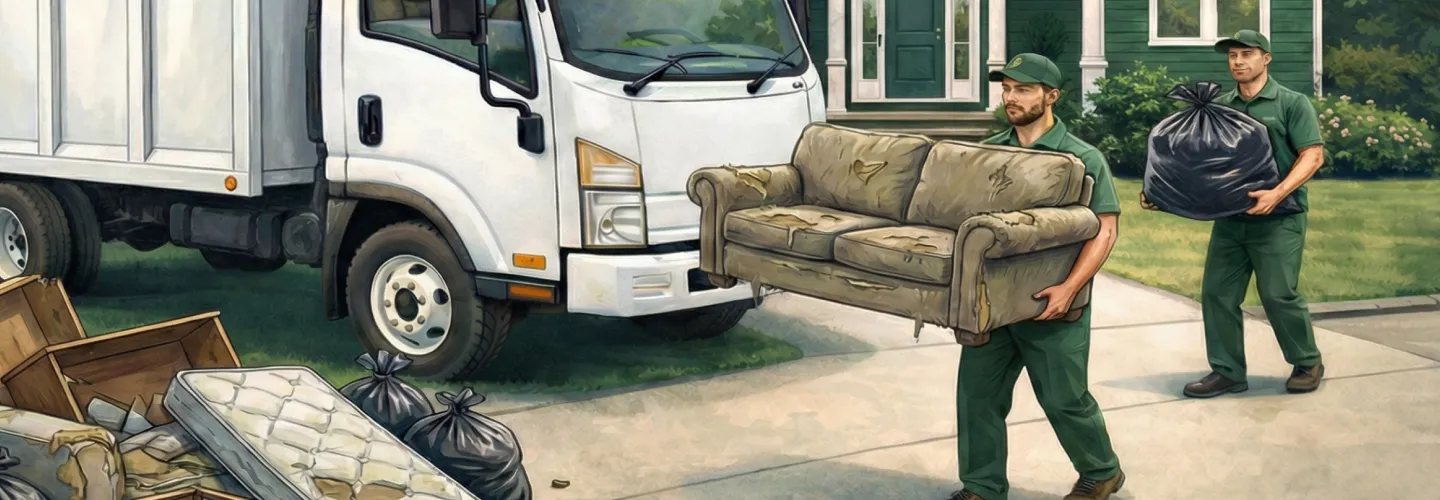
Hampton Restaurants Junk Removal Services
Choose our Restaurants Junk Removal for prompt, discreet, and eco-friendly service that keeps your dining space clean, compliant, and welcoming for guests.
Get a Free QuoteOur Hampton Junk Removal Services
Restaurants Junk Removal in Hampton, GA – Local Service Guide
Restaurants in Hampton, GA, from bustling Main Street eateries to family-owned spots near Lovejoy Road, face unique junk removal needs. Seasonal menu changes, kitchen upgrades, and health code compliance often trigger the need for swift, reliable disposal of old equipment, furniture, and bulk waste. Local regulations require proper handling of commercial debris, and many restaurants coordinate pickups to avoid disrupting peak hours. In neighborhoods like Tara Place and near the Atlanta Motor Speedway, access and parking can impact logistics, especially for larger items or after-hours removals. Partnering with a local junk removal service ensures compliance with city ordinances and efficient disposal, whether recycling, donating, or responsibly discarding materials. For guidance on local rules and resources, visit the Hampton Public Works Department.
Key Considerations for Restaurants Junk Removal in Hampton
- Timing pickups to avoid service disruptions and comply with local schedules
- Securing necessary permits for large-scale disposals or equipment removal
- Using approved disposal channels for commercial waste and recyclables
- Navigating access challenges in busy areas like Main Street or near event venues
- Managing volume spikes during renovations, seasonal cleanouts, or special events
- Coordinating with property managers and city services for smooth operations
Benefits of Restaurants Junk Removal in Hampton
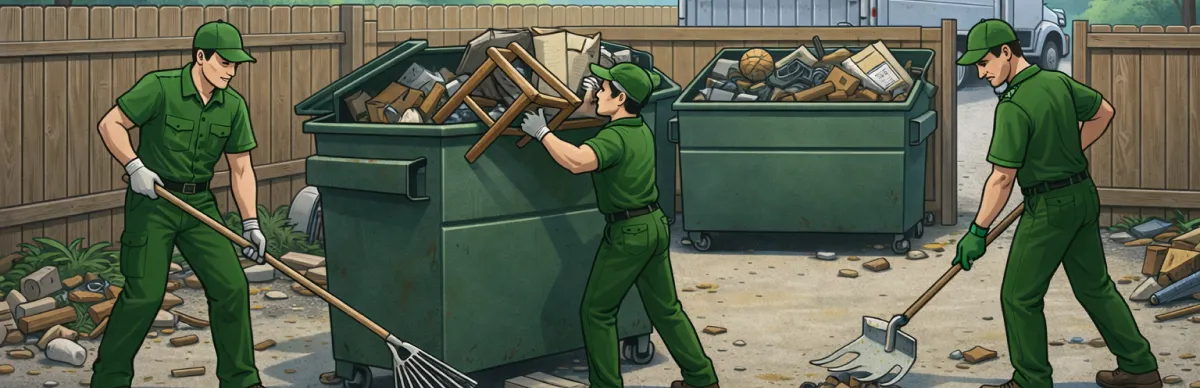
Fast and Reliable Service
Eco-Friendly Disposal Solutions
Flexible Scheduling Options
Experienced Junk Removal Team
Cost-Effective Pricing
Comprehensive Cleanout Services
Coordinating Restaurant Equipment Disposal with Hampton's Public Works and Sanitation Services
Restaurant junk removal in Hampton, GA, involves the disposal of commercial-grade equipment such as ovens, refrigeration units, prep tables, shelving, and point-of-sale systems. The Hampton Public Works Department oversees sanitation services and can provide guidance on commercial waste hauling requirements within city limits. Restaurant owners and operators should be aware that commercial waste is generally not eligible for residential curbside collection programs. Key considerations for coordinating disposal include:
- Commercial hauler licensing is typically required for any company transporting restaurant waste through Hampton
- Scheduling removal during non-peak hours helps minimize disruption to neighboring businesses and traffic flow
- Separation of recyclable metals such as stainless steel tables, aluminum shelving, and copper components is strongly encouraged
- Grease traps and used cooking oil must be handled by licensed waste oil haulers and cannot be placed in standard solid waste streams
- Bulk item coordination with Public Works ensures compliance with local collection protocols
Hampton Public Works Department
1907 Highway 81, Hampton, GA 30228
Phone: (770) 946-4306
Official Website: Hampton Public Works Department
Hampton Building Inspections and Permit Requirements for Restaurant Renovation Debris
When restaurant closures or renovations generate construction and demolition debris—such as demolished countertops, flooring, wall partitions, ductwork, and plumbing fixtures—building permits and inspections may be required before removal begins. The Hampton Building Inspections department administers permits for demolition and renovation projects within city limits. Restaurant operators planning interior buildouts or teardowns should account for the following regulatory steps:
- Demolition permits may be required before removing fixed structures such as walk-in coolers, exhaust hoods, or built-in booths
- Asbestos surveys are recommended for buildings constructed before 1980, as floor tiles, insulation, and pipe wrapping may contain asbestos fibers requiring licensed abatement
- Lead paint assessments under the EPA Renovation, Repair, and Painting Rule apply to pre-1978 structures undergoing renovation
- Structural modifications such as removing load-bearing walls or altering electrical and plumbing systems require plan review and inspection sign-off
- Debris sorting for wood, metal, concrete, and drywall supports landfill diversion goals
Hampton Building Inspections
1907 Highway 81, Hampton, GA 30228
Phone: (770) 946-4306
Official Website: Hampton Building Inspections
Georgia's Solid Waste Management Act and Restaurant Disposal Compliance
Restaurant junk removal in Hampton must comply with the Georgia Comprehensive Solid Waste Management Act (O.C.G.A. § 12-8-20) administered by the Georgia Environmental Protection Division (GA EPD). This state law establishes the regulatory framework for solid waste handling, transportation, and disposal across all Georgia municipalities, including commercial establishments. Restaurant operators and junk removal providers should understand these state-level requirements:
- Solid waste hauler permits are required for any entity transporting commercial waste to licensed disposal facilities in Georgia
- Illegal dumping of restaurant equipment, food waste, or construction debris carries penalties including fines and potential criminal charges under state law
- Refrigerant-containing equipment such as walk-in coolers, reach-in refrigerators, and ice machines must have refrigerants recovered by an EPA Section 608 certified technician before disposal
- Used cooking oil and grease are classified separately from solid waste and must be collected by licensed rendering or recycling companies
- Hazardous materials including cleaning chemicals, pesticides, and fluorescent lighting must be disposed of through approved hazardous waste channels
Georgia Environmental Protection Division
2 Martin Luther King Jr. Drive SE, Suite 1456, Atlanta, GA 30334
Phone: (404) 656-4713
Official Website: Georgia Environmental Protection Division
Recycling and Material Recovery Options for Restaurant Equipment in Hampton
Diverting restaurant equipment and materials from landfills is both an environmental priority and an opportunity to recover value from commercial-grade items. Hampton restaurant owners undertaking cleanouts, closures, or upgrades should explore recycling and reuse pathways before scheduling disposal. Henry County, which encompasses Hampton, offers solid waste services and recycling resources that complement city-level programs. Key material recovery strategies include:
- Scrap metal recycling for stainless steel prep tables, aluminum sheet pans, copper piping, and cast iron equipment can be coordinated through licensed scrap yards in the greater Henry County area
- Functional equipment donations to nonprofit organizations, culinary training programs, or food banks extend the useful life of commercial ovens, refrigerators, and smallwares
- Electronics recycling for point-of-sale terminals, monitors, and computer equipment should follow Georgia's recommended e-waste recycling practices through certified processors
- Fluorescent tube and bulb recycling is required due to mercury content; these items are prohibited from standard landfill disposal
- Cardboard, plastics, and packaging materials generated during equipment removal should be separated and directed to recycling streams
Hampton's Stormwater Management program also requires that debris removal activities prevent pollutants, grease, and waste materials from entering storm drains during exterior cleanout operations.
Safe Handling Procedures and OSHA Standards for Restaurant Junk Removal
Restaurant junk removal presents unique safety challenges due to the weight, size, and condition of commercial kitchen equipment. Grease-coated surfaces, sharp edges on broken equipment, heavy cast iron ranges, and bulky walk-in cooler panels all require careful handling protocols. Compliance with Occupational Safety and Health Administration (OSHA) standards is essential for any crew performing restaurant cleanouts in Hampton. Critical safety requirements include:
- Personal protective equipment (PPE) including cut-resistant gloves, steel-toed boots, eye protection, and back support braces for heavy lifting
- Proper lifting techniques and mechanical aids such as appliance dollies, furniture sliders, and hydraulic lift gates for items exceeding 50 pounds
- Slip and fall prevention in grease-laden kitchen environments requires non-slip footwear and floor cleaning before equipment removal begins
- Electrical disconnection of all hardwired equipment must be performed by a licensed electrician before removal; gas lines must be capped by a licensed plumber
- Fire safety coordination with Henry County Fire Rescue may be necessary when disconnecting gas-fired equipment or removing fire suppression system components
Henry County Fire Rescue
Phone: (770) 288-7580
Official Website: Henry County Fire Rescue
What Neighborhoods Do We Serve Throughout Hampton, GA?
- Downtown Hampton: The historic commercial core along Main Street features older restaurant buildings with narrow rear access and limited loading zones. Coordination with Hampton Main Street & Economic Development may be necessary for street-side equipment removal during business hours.
- Hampton Village: This mixed-use area includes strip-center restaurants and standalone dining establishments with parking lot access suitable for truck staging. Grease trap and exhaust hood removal are common service needs during tenant turnovers.
- Bear Creek: Residential neighborhoods with home-based food service operations or small catering businesses may require equipment removal through standard residential driveways and garages, with attention to weight limits on residential pavement.
- Highway 19/41 Corridor: Chain restaurants and fast-food establishments along this commercial corridor typically have rear service entrances and loading areas designed for equipment delivery and removal, simplifying access logistics.
- Lovejoy Road Area: Growing commercial development in this section of Hampton includes newer restaurant construction with wider access points, though coordination with Hampton Planning & Zoning is advisable for properties under active development or zoning review.