
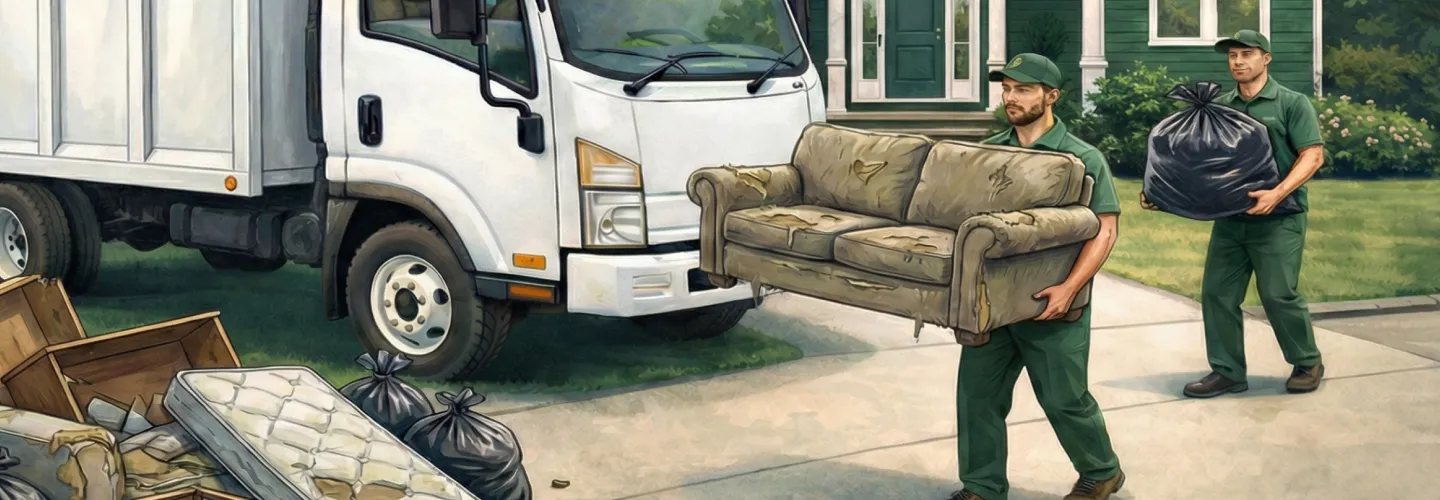
Hampton Construction Debris Removal Services
Choose our Construction Debris Removal for hassle-free, eco-friendly disposal and prompt service that keeps your project on schedule and your site safe.
Get a Free QuoteOur Hampton Junk Removal Services
Construction Debris Removal in Hampton, GA – Local Service Guide
Construction debris removal in Hampton, GA is essential for keeping properties safe, compliant, and visually appealing. Whether you’re renovating a home in Tara Place, clearing out a garage in Crystal Lake, or managing a commercial build near downtown, timely debris removal ensures projects stay on track and neighborhoods remain clean. For residential items like old appliances, mattresses, or sheds, removal often follows upgrades, seasonal cleanouts, or storm damage. Local options include donation, recycling, or proper disposal, with logistics shaped by property access and weather. Garage, basement, and yard waste cleanouts are common after storms or during spring and fall, especially in areas with heavy tree coverage or flood risk. Commercial clients—such as restaurants or offices along Main Street—require discreet, scheduled pickups to minimize disruption, often generating higher volumes. Specialty services, like dumpster rentals or estate cleanouts, are vital for larger projects or unique situations, requiring careful planning and coordination. For guidance on local rules and disposal resources, visit the Hampton Public Works Department.
Key Considerations for Construction Debris Removal in Hampton
- Timing projects around local weather and seasonal events
- Securing necessary permits for large-scale removals
- Using approved disposal and recycling channels
- Ensuring property access for trucks and equipment
- Estimating debris volume for proper service selection
- Coordinating with city services for category-specific items
Benefits of Construction Debris Removal in Hampton
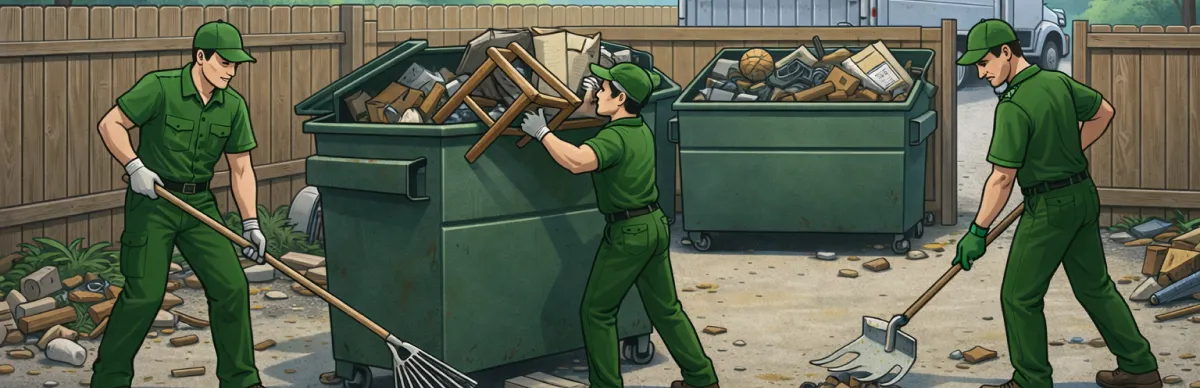
Fast and Reliable Cleanup
Safe Job Site Practices
Eco-Friendly Disposal Solutions
Cost-Effective Debris Removal
Flexible Scheduling Options
Experienced Local Professionals
Coordinating Construction Debris Disposal with Hampton's Public Works Department
Construction and demolition (C&D) debris generated from renovation, remodeling, or demolition projects in Hampton, GA, must be managed in accordance with municipal sanitation requirements. The Hampton Public Works Department oversees infrastructure services including sanitation and waste management coordination. Residents and contractors should be aware of the following requirements before initiating debris removal:
- Prohibited curbside disposal: Construction debris such as lumber, drywall, roofing materials, and concrete is generally not accepted through standard residential trash collection
- Hauler coordination: Licensed waste haulers must be used for large-volume C&D material transport to approved disposal facilities
- Site cleanliness: Active construction sites must maintain debris containment to prevent material from entering public rights-of-way or stormwater systems
- Scheduling: Coordinate pickup and hauling schedules to comply with Hampton's noise and operating hour ordinances
Hampton Public Works Department
1033 West Main Street, Hampton, GA 30228
Phone: (770) 946-4306
Official Website: Hampton Public Works Department
Contractors working within city limits should confirm current disposal protocols directly with Public Works before project commencement.
Hampton Building Permit and Inspection Requirements for Demolition Debris Projects
Any construction, renovation, or demolition project generating debris in Hampton requires appropriate building permits and inspections. The Hampton Building Inspections division administers plan reviews, code compliance, and permitting for both residential and commercial development. Failure to obtain proper permits before generating construction waste may result in code violations and project delays. Key permit considerations include:
- Demolition permits: Required before any structural demolition; applications must include a waste management plan detailing debris disposal methods
- Renovation permits: Interior and exterior renovation projects producing significant debris volumes require active building permits
- Inspection coordination: Debris removal should not occur until relevant inspections are completed and documented
- Asbestos surveys: Structures built before 1980 may require asbestos inspection prior to demolition, as mandated by federal and state regulations
- Lead paint compliance: Pre-1978 buildings must follow the EPA Renovation, Repair, and Painting Rule for lead-safe work practices during debris-generating activities
Hampton Building Inspections
1033 West Main Street, Hampton, GA 30228
Phone: (770) 946-4306
Official Website: Hampton Building Inspections
Georgia's Solid Waste Management Act and Construction Debris Compliance
Georgia regulates construction and demolition waste under the Georgia Comprehensive Solid Waste Management Act (O.C.G.A. § 12-8-20), administered by the Georgia Environmental Protection Division (GA EPD). This legislation establishes disposal standards, facility permitting, and enforcement mechanisms that directly affect how C&D debris is handled in Hampton. Contractors and property owners must observe the following state-level requirements:
- Permitted facilities only: All construction debris must be transported to facilities holding valid solid waste handling permits issued by GA EPD
- Inert waste landfills: Clean concrete, brick, block, and asphalt may be disposed of at permitted inert waste landfills, which have separate regulatory requirements from municipal solid waste landfills
- Prohibited materials: Hazardous waste, including asbestos-containing materials, lead-based paint chips, and chemical solvents, cannot be disposed of with standard C&D debris
- Illegal dumping penalties: Unauthorized disposal of construction debris on vacant lots, roadsides, or waterways carries fines and potential criminal charges under Georgia law
- Manifest requirements: Commercial haulers transporting C&D waste must maintain proper documentation of material origin, volume, and destination facility
Stormwater Protection and Erosion Control During Construction Debris Removal in Hampton
Construction debris removal activities in Hampton must comply with stormwater management regulations to prevent sediment, pollutants, and construction materials from entering local waterways and drainage systems. The Hampton Stormwater Management program enforces erosion control and water quality protection measures on active construction and demolition sites. The EPA Region 4 Southeast office also provides federal oversight for stormwater compliance in Georgia. Essential stormwater protection measures during debris removal include:
- Silt fencing and barriers: Install erosion control devices around debris staging areas to prevent sediment runoff into storm drains
- Material containment: Loose debris such as sawdust, drywall dust, and insulation must be contained and covered during storage and transport
- Prohibited discharges: Washout water from concrete, paint, or stucco work must not enter storm drains or surface waters
- Site stabilization: Exposed soil from demolition activities must be stabilized within timeframes specified by Hampton's stormwater ordinance
- Inspection compliance: Sites disturbing one acre or more require a National Pollutant Discharge Elimination System (NPDES) permit and regular stormwater inspections
Hampton Stormwater Management
1033 West Main Street, Hampton, GA 30228
Phone: (770) 946-4306
Official Website: Hampton Stormwater Management
Material Sorting and Recycling Requirements for Hampton Construction Projects
Proper sorting and separation of construction debris supports landfill diversion goals and ensures compliance with Georgia's solid waste regulations. Henry County and the surrounding region offer facilities that accept separated C&D materials for recycling and reuse. Property owners and contractors in Hampton should implement the following material management practices:
- Concrete and masonry: Clean concrete, brick, and block can be crushed and recycled as aggregate; separate from mixed debris loads
- Scrap metal: Steel, copper, aluminum, and other metals from framing, plumbing, and electrical systems should be separated for scrap recycling
- Clean wood: Untreated lumber and dimensional wood may be accepted at wood recycling facilities; treated or painted wood requires separate disposal
- Roofing shingles: Asphalt shingles are recyclable at select facilities; verify acceptance with the receiving facility before transport
- Drywall and gypsum: Some facilities accept clean drywall for recycling; contaminated or painted drywall may require standard landfill disposal
- Appliances and fixtures: Removed appliances containing refrigerants require certified recovery per EPA Section 608 regulations before disposal
Separating materials on-site reduces disposal costs and supports environmentally responsible waste management throughout Hampton.
What Neighborhoods Do We Serve Throughout Hampton, GA?
- Downtown Hampton: The historic downtown core features older commercial and residential structures where renovation projects frequently generate debris containing legacy materials. Narrow lot configurations and proximity to Main Street may require coordination with Hampton Planning & Zoning for right-of-way access during debris hauling.
- Bear Creek Estates: This established single-family residential community sees regular home improvement and remodeling projects. Wide residential streets and driveway access generally accommodate debris removal vehicles, though HOA guidelines may govern debris staging and hauler scheduling.
- Lovejoy Road Corridor: Mixed residential and light commercial properties along this corridor generate varied construction waste from both home renovations and commercial build-outs. Proximity to major roadways facilitates efficient debris transport to regional disposal facilities.
- Hampton Oaks: Newer residential development with contemporary construction standards. Renovation debris from these properties typically includes modern materials such as engineered wood, vinyl siding, and composite decking that require proper sorting for disposal or recycling.
- West Main Street Area: Properties near the western gateway of Hampton include a mix of older homes and redevelopment sites. Pre-1978 structures in this area may require lead paint and asbestos assessments before demolition debris can be removed, adding regulatory steps to the removal process.
- Highway 19/41 Commercial District: Commercial properties along this corridor generate construction debris from tenant improvements, facade renovations, and site redevelopment. Coordination with the Hampton Main Street & Economic Development office may be necessary for projects affecting the public streetscape.