
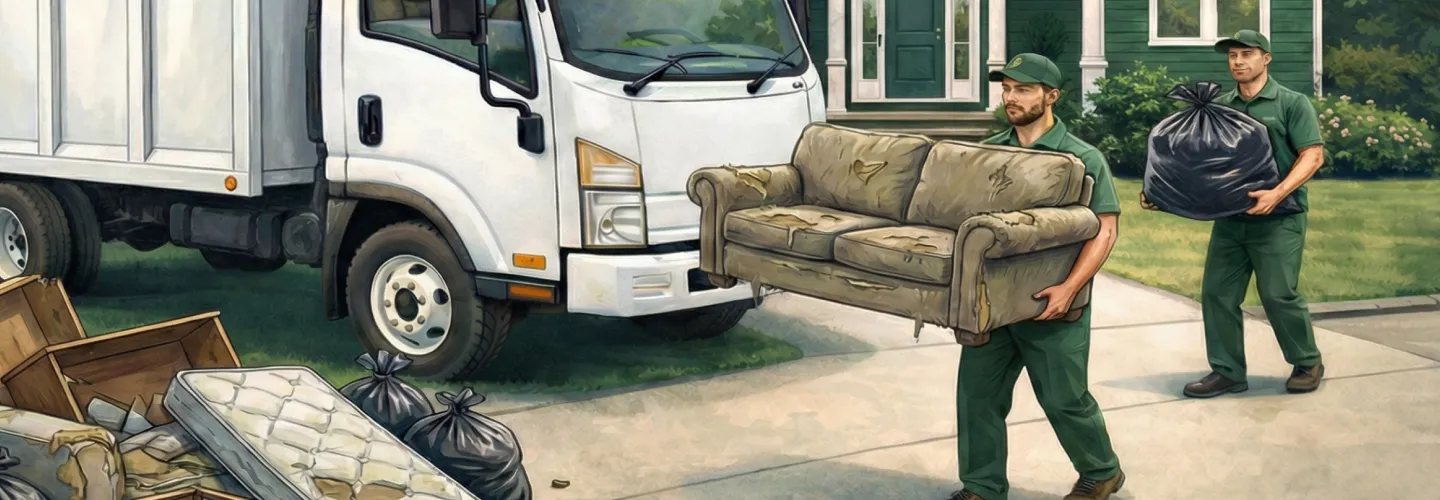
Hampton Storage Unit Cleanout Services
Choose our Storage Unit Cleanout for fast, reliable, and hassle-free service—our experienced team handles everything so you can enjoy a clutter-free storage space without lifting a finger.
Get a Free QuoteOur Hampton Junk Removal Services
Storage Unit Cleanout in Hampton, GA – Local Service Guide
Storage unit cleanouts in Hampton, GA, are often prompted by life transitions, seasonal changes, or the need to reclaim valuable space. In neighborhoods like Tara Place and Crystal Lake, residents frequently clear out storage units after home renovations, downsizing, or estate transitions. For residential items such as furniture, mattresses, and appliances, cleanouts typically occur during spring cleaning or after major purchases. Local options include donation centers, recycling facilities, and city-approved disposal services. Access and weather—especially during humid summers or rainy spells—can impact scheduling and logistics, particularly for larger items or units in multi-story facilities.
For residential spaces like garages and basements, cleanouts are common after storms or during yard waste cycles, especially in areas prone to flooding or with dense tree coverage. Commercial clients in Hampton’s Main Street district or near the industrial park often require discreet, timely cleanouts for offices, retail spaces, or warehouses, with volume and operational needs varying by sector. Specialty services—such as for estate, foreclosure, or construction debris—demand careful planning and coordination, especially when handling sensitive or hazardous materials.
Benefits of Storage Unit Cleanout in Hampton
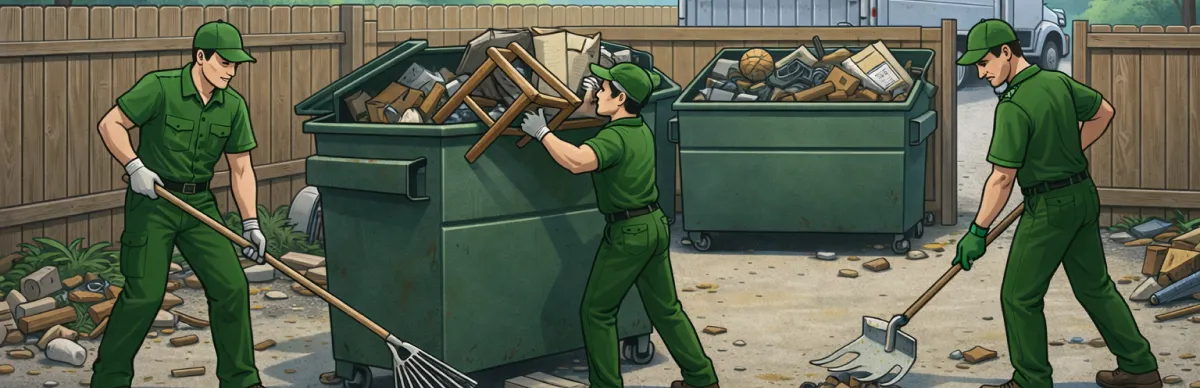
Fast and Efficient Cleanouts
Professional and Reliable Team
Affordable Pricing Options
Eco-Friendly Disposal Solutions
Flexible Scheduling
Stress-Free Service Experience
Coordinating Storage Unit Cleanout Disposal with Hampton's Public Works Department
Storage unit cleanouts in Hampton, GA, often produce large volumes of mixed materials—furniture, appliances, boxed goods, and miscellaneous household items—that require proper disposal through municipal channels. Hampton's Public Works Department oversees sanitation services and can direct residents toward approved disposal methods for bulk items removed from storage facilities. Before beginning a cleanout, residents should confirm which materials are accepted through standard collection and which require special handling or transport to a designated facility. Key considerations include:
- Bulk item scheduling: Contact Public Works in advance to arrange pickup for oversized items such as couches, mattresses, and large appliances
- Sorting requirements: Separate recyclable metals, electronics, and hazardous materials from general household waste before disposal
- Volume limitations: Municipal collection may impose per-pickup volume or weight restrictions; large cleanouts may require multiple scheduled pickups
- Commercial hauler use: If hiring a private removal service, verify the hauler holds proper licensing and disposes of materials at approved facilities
Residents should review Hampton's municipal ordinances governing property maintenance and waste disposal to ensure full compliance during the cleanout process.
Hampton Public Works Department
1033 West Main Street, Hampton, GA 30228
Phone: (770) 946-4306
Official Website: Hampton Public Works Department
Georgia's Solid Waste Management Act and Storage Unit Disposal Compliance
All waste generated during a storage unit cleanout in Hampton must comply with the Georgia Comprehensive Solid Waste Management Act (O.C.G.A. § 12-8-20) administered by the Georgia Environmental Protection Division (GA EPD). This state law establishes standards for solid waste handling, transportation, and disposal that apply to both residents and commercial haulers operating within Henry County. Storage unit cleanouts frequently uncover items subject to specific disposal restrictions under Georgia law. Important regulatory requirements include:
- Prohibited landfill items: Lead-acid batteries, used motor oil, and antifreeze must not be placed in standard waste streams; these require drop-off at designated collection facilities
- Tire disposal: Georgia restricts tire disposal in municipal landfills; tires found in storage units must be taken to licensed tire recyclers or collection events
- Appliance refrigerants: Units containing refrigerators, freezers, or air conditioners require EPA Section 608-compliant refrigerant recovery by a certified technician before disposal
- Hauler requirements: Any commercial service transporting waste from a storage unit cleanout must hold a valid solid waste handling permit issued by GA EPD
Georgia Environmental Protection Division – Solid Waste Program
2 Martin Luther King Jr. Drive SE, Suite 1054, Atlanta, GA 30334
Phone: (404) 656-4713
Official Website: Georgia Environmental Protection Division
Hazardous Materials and E-Waste Handling During Hampton Storage Unit Cleanouts
Storage units frequently contain items classified as hazardous waste or electronic waste that cannot be disposed of through regular trash collection. Paints, solvents, pesticides, cleaning chemicals, and aerosol cans are commonly discovered during cleanouts and are prohibited from municipal solid waste streams under both Georgia and federal regulations. The Resource Conservation and Recovery Act (RCRA) establishes federal standards for hazardous waste identification and disposal that apply to materials found in Hampton storage facilities. Proper handling procedures include:
- Household hazardous waste: Paints, chemicals, and automotive fluids must be transported to Henry County's designated household hazardous waste collection events; do not mix chemicals or place them in regular trash
- Electronics: Computers, monitors, televisions, and printers should be directed to certified e-waste recyclers; Georgia does not currently enforce a statewide e-waste landfill ban, but responsible recycling is strongly encouraged through GA EPD's waste reduction programs
- Batteries: Lead-acid batteries are banned from landfills statewide; lithium-ion and rechargeable batteries pose fire risks and should be recycled through Call2Recycle drop-off locations
- Fluorescent bulbs: Mercury-containing lamps require special handling and should not be broken or placed in standard waste containers
Residents should wear protective gloves and ensure adequate ventilation when handling unknown containers discovered during storage unit cleanouts.
Recycling, Donation, and Material Recovery Options for Hampton Residents
Diverting reusable and recyclable materials from landfills during a storage unit cleanout supports Hampton's environmental stewardship goals and reduces disposal costs. Many items found in storage units—furniture, clothing, kitchenware, and small appliances—retain functional value and can be redirected to local donation programs rather than discarded. Hampton's Main Street and Economic Development Department supports community revitalization efforts that benefit from material reuse. Recommended diversion strategies include:
- Furniture and household goods: Donate usable items to Habitat for Humanity ReStore locations or Goodwill centers serving the Henry County area; most accept drop-offs during regular business hours
- Scrap metal recovery: Metal shelving, bed frames, filing cabinets, and appliance housings can be taken to licensed scrap metal recyclers for material recovery
- Cardboard and paper: Flatten boxes and bundle paper materials for curbside recycling or drop-off at Henry County recycling centers
- Clothing and textiles: Wearable clothing can be donated; damaged textiles may be accepted by textile recycling programs
- Appliances: Working appliances may be donated; non-functional units should be directed to appliance recyclers who can recover metals and properly handle refrigerants
Sorting materials on-site before transport significantly improves recycling rates and reduces the volume of waste sent to landfills.
Navigating Access and Safety Requirements at Hampton Storage Facilities
Storage unit cleanouts present unique logistical and safety challenges that require advance planning, particularly regarding facility access rules, vehicle positioning, and material handling. Hampton's Building Inspections Department can provide guidance on code compliance matters related to debris removal from commercial storage properties. Key access and safety considerations include:
- Facility access hours: Most storage facilities enforce specific gate hours and may require advance notice for large-scale cleanout operations involving multiple vehicle trips
- Vehicle positioning: Ensure removal vehicles do not block fire lanes, adjacent unit access, or facility driveways; coordinate with facility management regarding loading zone availability
- Heavy lifting safety: OSHA guidelines recommend team lifting for items exceeding 50 pounds; use dollies, hand trucks, and furniture straps to prevent injury when moving heavy items from units
- Dust and mold exposure: Units that have been sealed for extended periods may contain mold, dust, or pest contamination; wear N95 respirators and protective gloves when opening and clearing such units
- Stormwater protection: When staging materials outside for loading, prevent debris from entering storm drains; Hampton's Stormwater Management program enforces pollution prevention requirements that apply to all properties
Coordinate with facility management before beginning any cleanout to confirm rules regarding debris staging, disposal timelines, and property restoration expectations.
What Neighborhoods Do We Serve Throughout Hampton, GA?
- Downtown Hampton: The historic downtown core features older commercial and residential structures along West Main Street. Storage facilities in this area may have limited parking and narrow access points, requiring smaller vehicles and careful scheduling around local events and foot traffic.
- Bear Creek Estates: This established residential subdivision includes single-family homes where residents frequently use nearby storage facilities for overflow household goods. Cleanouts typically involve furniture, seasonal items, and boxed personal belongings requiring sorting for donation and disposal.
- Hampton Oaks: A growing residential community with newer construction and wider street access. Storage unit cleanouts here often include construction surplus materials, appliances, and household furnishings from recent moves, with convenient access for standard removal vehicles.
- Lovejoy Road Corridor: This mixed-use corridor along the southern edge of Hampton includes commercial storage facilities and light industrial properties. Cleanouts may involve heavier commercial items, equipment, and materials requiring specialized handling and compliance with commercial waste hauling regulations.
- Talmadge Road Area: A semi-rural residential area with larger lots and gravel driveways common on some properties. Storage unit cleanouts in this vicinity may require attention to soft-ground conditions during wet weather and longer transport distances to recycling and disposal facilities in Henry County.