
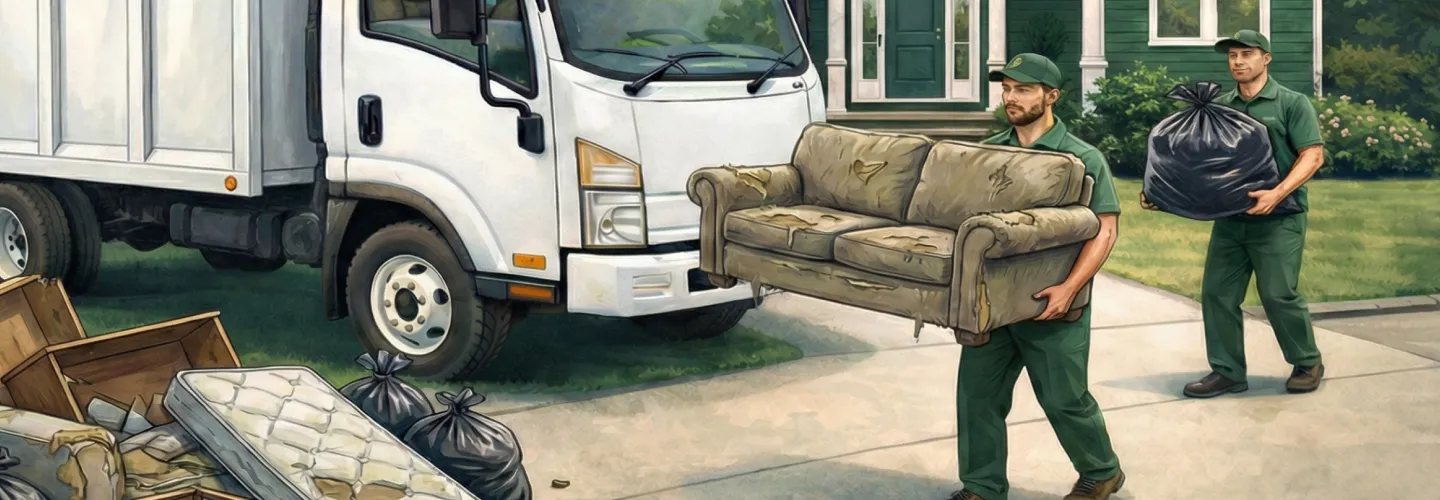
Hampton Hospitality Junk Removal Services
Choose our Hospitality Junk Removal for fast, discreet, and reliable service that keeps your guest spaces pristine and your operations running smoothly.
Get a Free QuoteOur Hampton Junk Removal Services
Hospitality Junk Removal in Hampton, GA – Local Service Guide
Hospitality junk removal in Hampton, GA, is essential for keeping homes and businesses clutter-free and compliant with local standards. In neighborhoods like Crystal Lake and Tara Place, residents often need to dispose of bulky items such as furniture, mattresses, and appliances during seasonal cleanouts, after renovations, or when replacing old items. Local weather, like spring storms, can trigger yard waste and debris removal, especially in areas with heavy tree coverage or flood-prone basements. For residential spaces, regular garage and attic cleanouts are common, while trash pickup schedules may vary by neighborhood. Commercial clients in downtown Hampton, restaurants near Main Street, and hotels along Highway 20 require discreet, timely removal of office equipment, hospitality waste, and renovation debris, often with higher volumes and strict operational windows. Specialty services—such as dumpster rentals, estate cleanouts, and construction debris removal—are vital for foreclosures, hoarding situations, and major property transitions, requiring careful planning and coordination. For guidance on local disposal rules and resources, visit the Hampton Public Works Department.
Key Considerations for Hospitality Junk Removal in Hampton
- Timing cleanouts around local events, weather, and property cycles
- Securing necessary permits for large-scale or specialty removals
- Using approved disposal and recycling channels
- Ensuring easy access for removal vehicles in tight or historic areas
- Managing volume and category-specific items (e.g., electronics, hot tubs)
- Coordinating with property managers or city services for efficient scheduling
Benefits of Hospitality Junk Removal in Hampton
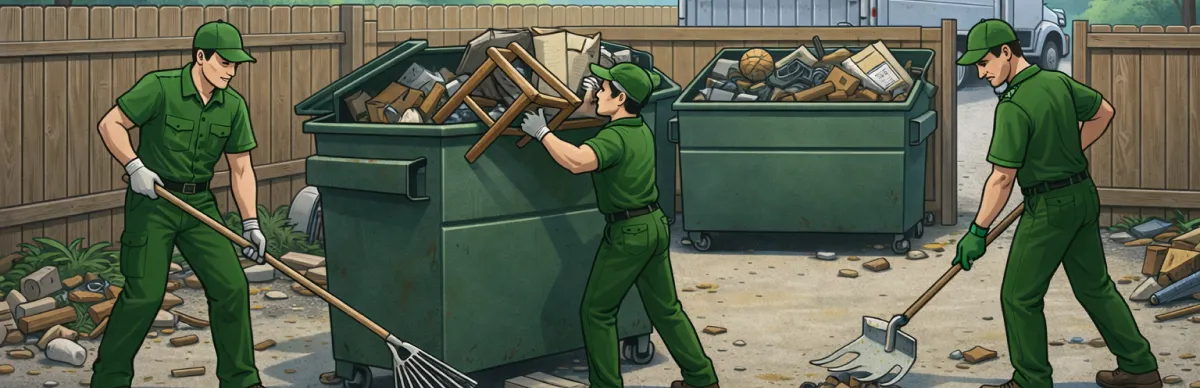
Fast Turnaround Times
Discreet and Professional Service
Flexible Scheduling Options
Eco-Friendly Disposal Solutions
Licensed and Insured Team
Comprehensive Cleanout Services
Coordinating Hospitality Junk Removal with Hampton's Public Works and Sanitation Services
Hospitality businesses in Hampton, GA—including hotels, motels, bed-and-breakfasts, and event venues—generate substantial volumes of discardable materials during renovations, closures, and routine upgrades. Coordinating removal efforts with the city's municipal infrastructure is essential for regulatory compliance. Hampton's Public Works Department oversees sanitation services, stormwater management, and infrastructure maintenance, making it the primary point of contact for commercial waste disposal inquiries.
- Commercial waste haulers must verify licensing requirements through the city before operating within Hampton's jurisdiction
- Bulk item removal from hospitality properties requires advance scheduling to avoid conflicts with residential collection routes
- Property maintenance ordinances enforced under Hampton's municipal code prohibit accumulation of debris on commercial premises
- Stormwater compliance must be maintained during exterior cleanouts to prevent runoff contamination per Hampton Stormwater Management guidelines
- Operating hours for removal activities should align with local noise ordinances to avoid code violations
Hampton Public Works Department
1907 Highway 81, Hampton, GA 30228
Phone: (770) 946-4306
Official Website: Hampton Public Works Department
Hampton Building Permits and Code Compliance for Hospitality Renovation Debris
When hospitality properties in Hampton undergo renovation or demolition—such as removing outdated fixtures, cabinetry, flooring, or structural components—building permits and code compliance become mandatory considerations. Hampton's Building Inspections division administers permits, construction inspections, and plan reviews for both residential and commercial development projects. Hospitality junk removal that involves structural modification or interior demolition typically triggers permit requirements.
- Demolition permits are required before removing load-bearing walls, plumbing fixtures, or electrical systems in hotel or restaurant renovations
- Asbestos surveys are recommended for hospitality buildings constructed before 1980; friable asbestos must be handled by licensed abatement contractors per Georgia regulations
- Lead paint considerations apply to pre-1978 structures under the EPA Renovation, Repair, and Painting Rule
- Debris separation may be required for construction and demolition waste, including separating metals, wood, and concrete for proper disposal
- Inspection sign-off must be obtained before occupancy resumes after major renovation work
Hampton Building Inspections
1907 Highway 81, Hampton, GA 30228
Phone: (770) 946-4306
Official Website: Hampton Building Inspections
Georgia's Solid Waste Management Act and Hospitality Disposal Compliance
Georgia's solid waste regulations, administered by the Georgia Environmental Protection Division (GA EPD), establish the framework governing how hospitality waste must be handled, transported, and disposed of throughout the state. The Georgia Comprehensive Solid Waste Management Act (O.C.G.A. § 12-8-20 et seq.) requires all counties and municipalities to maintain solid waste management plans and mandates proper disposal at permitted facilities.
- Commercial generators, including hotels and restaurants, must use permitted solid waste handling facilities for all non-hazardous waste streams
- Illegal dumping of hospitality debris—including mattresses, furniture, appliances, and fixtures—carries penalties of up to $25,000 per day per violation under Georgia law
- Hazardous materials such as cleaning chemicals, pool treatment supplies, and fluorescent lighting from hospitality properties must be disposed of through authorized hazardous waste programs
- Appliance refrigerant recovery is required under EPA Section 608 regulations before disposing of commercial refrigerators, ice machines, or HVAC units
- Tire disposal from hospitality shuttle vehicles or maintenance equipment is subject to Georgia's scrap tire management regulations
Georgia Environmental Protection Division
2 Martin Luther King Jr. Drive SE, Suite 1456, Atlanta, GA 30334
Phone: (404) 656-4713
Official Website: Georgia Environmental Protection Division
Recycling and Donation Alternatives for Hampton Hospitality Furniture and Equipment
Before disposing of hospitality items at a landfill, Hampton businesses should explore recycling and donation pathways that support landfill diversion and community benefit. Hotels, restaurants, and event venues frequently discard reusable furniture, commercial kitchen equipment, linens, and electronics during property upgrades. Henry County and the surrounding metro Atlanta region offer multiple options for responsible material recovery.
- Furniture and fixtures in serviceable condition—including beds, desks, chairs, and dressers—may be donated to local charitable organizations such as Habitat for Humanity ReStore locations in the greater Henry County area
- Commercial kitchen equipment including stainless steel prep tables, shelving, and non-refrigerant appliances can often be directed to scrap metal recyclers
- Electronics and televisions should be recycled through certified e-waste processors; while Georgia does not currently enforce a statewide e-waste landfill ban, responsible recycling is strongly encouraged by the GA EPD
- Mattresses and box springs from hotel room turnovers should be evaluated for recycling; Georgia does not have a mattress EPR program, so disposal fees apply at permitted facilities
- Linens, towels, and textiles in usable condition can be donated to shelters and nonprofit organizations serving the Hampton and Henry County community
Safety and Hazardous Material Handling for Hampton Hospitality Cleanouts
Hospitality junk removal projects in Hampton frequently involve materials that require specialized handling to protect workers, property, and the environment. Hotels and restaurants built before 1980 may contain asbestos in floor tiles, pipe insulation, or ceiling materials. Properties constructed before 1978 may have lead-based paint on walls, trim, and doors. OSHA workplace safety standards apply to all commercial removal operations.
- Asbestos-containing materials must be identified through professional surveys before disturbance; licensed abatement contractors are required for removal per Georgia EPD regulations
- Lead-safe work practices are mandated under EPA's RRP Rule for renovation activities in pre-1978 buildings that disturb painted surfaces
- Heavy lifting protocols should follow OSHA guidelines, including team lifting for items exceeding 50 pounds and use of dollies, hand trucks, and furniture straps
- Chemical disposal of pool chemicals, industrial cleaners, and solvents from hospitality properties requires handling as hazardous waste through authorized collection programs
- Biological hazards including pest-contaminated mattresses or water-damaged materials may require specialized disposal procedures and personal protective equipment
Henry County Fire Rescue
Phone: (770) 288-7580
Official Website: Henry County Fire Rescue
What Neighborhoods Do We Serve Throughout Hampton, GA?
- Downtown Hampton: The historic commercial core along Main Street features older mixed-use buildings with narrow rear access and limited loading zones. Hospitality cleanouts in this area may require coordination with Hampton Main Street & Economic Development for street access and parking considerations during removal operations.
- Bear Creek Estates: This residential subdivision features single-family homes with wide driveways and cul-de-sac layouts that accommodate removal vehicles. Bed-and-breakfast or short-term rental cleanouts in this area benefit from straightforward truck access and minimal traffic congestion.
- Hampton Village: A mixed residential and commercial area near Highway 19/41 with moderate traffic volume. Hospitality properties here may face access timing considerations during peak travel hours; early morning scheduling is recommended for large-scale removal projects.
- Lovejoy Road Corridor: Properties along this corridor include a mix of commercial hospitality establishments and older residential structures. Buildings in this area may require pre-removal assessments for lead paint or asbestos due to construction age.
- Woolsey Road Area: A more rural section of Hampton with larger lots and extended driveways. Hospitality properties in this area may require longer travel distances for disposal hauling, and soft ground conditions should be evaluated before positioning heavy removal equipment.