
Hampton Shed Removal Services
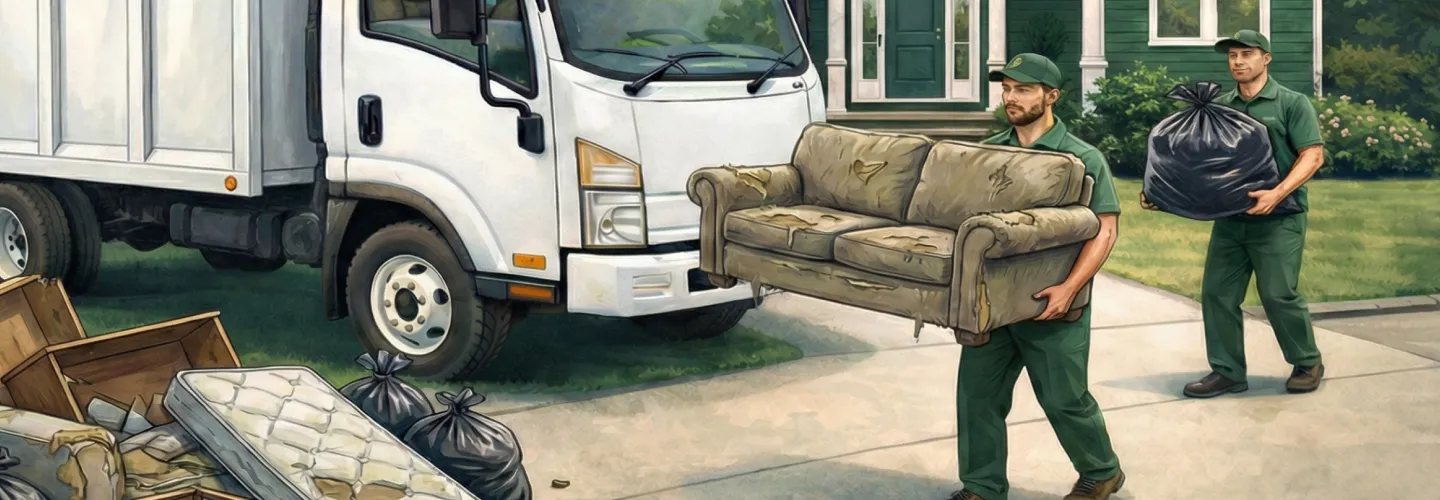
Choose our shed removal service for safe, efficient, and eco-friendly disposal—saving you time, effort, and giving you back valuable space without the stress.
Get a Free QuoteOur Hampton Junk Removal Services
Shed Removal in Hampton, GA – Local Service Guide
Shed removal in Hampton, GA is often prompted by seasonal upgrades, storm damage, or property renovations, especially in neighborhoods like Crystal Lake and Tara Place. Homeowners typically seek removal when replacing old storage, preparing for landscaping projects, or after severe weather. Local disposal options include recycling metal components or donating usable materials, but most sheds require professional dismantling due to size and access challenges—especially in yards with limited entry or during rainy seasons. For residential spaces, spring and fall cleanouts are common, while commercial properties in the downtown district may need shed removal for site upgrades or compliance. Specialty cases, such as estate cleanouts or construction debris, require careful planning and coordination with local authorities. Always check city guidelines for permits and disposal rules; the Hampton Public Works Department is a valuable resource for local regulations and scheduling.
Benefits of Shed Removal in Hampton
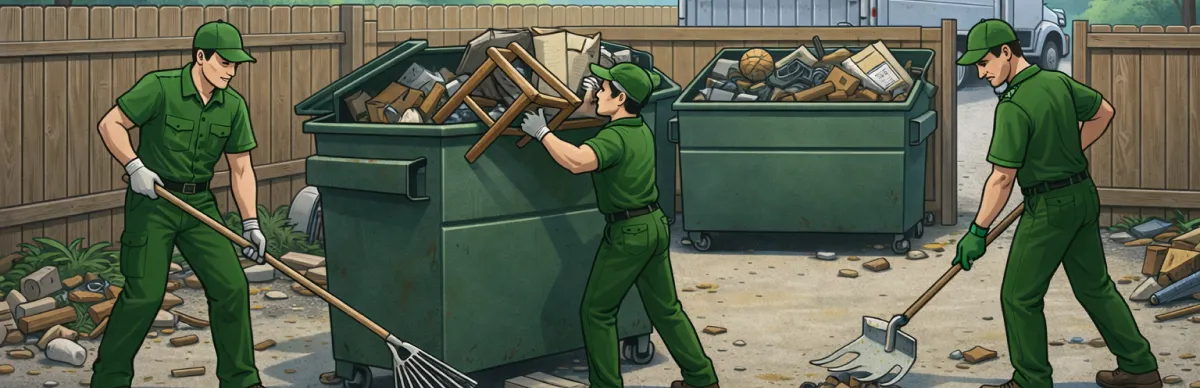
Fast Shed Removal Services
Eco-Friendly Disposal Solutions
Experienced Shed Removal Team
Affordable Shed Removal Pricing
Safe and Hassle-Free Process
Flexible Scheduling Options
Coordinating Shed Removal with Hampton's Building Inspections and Permit Requirements
Shed removal in Hampton, GA, often requires a demolition permit before any structural dismantling begins. The Hampton Building Inspections department oversees permit applications for the removal of accessory structures, including sheds, carports, and outbuildings. Property owners should confirm whether their shed is classified as a permanent structure under local zoning codes, as this determines permit obligations.
Key steps before beginning shed removal include:
- Verify permit requirements by contacting Hampton Building Inspections; structures with electrical wiring, plumbing, or concrete foundations typically require a demolition permit
- Submit a permit application with a site plan showing the shed's location relative to property lines and other structures
- Schedule a pre-demolition inspection if the shed was built before 1980, as older structures may contain lead paint or asbestos-containing materials
- Confirm utility disconnections for any electrical, water, or gas lines running to the shed before demolition begins
- Obtain written confirmation of permit approval before scheduling removal work
Failure to obtain required permits may result in code enforcement violations and fines under Hampton's municipal ordinances.
Hampton Building Inspections Department
City Hall, 127 East Main Street, Hampton, GA 30228
Phone: (770) 946-4306
Official Website: Hampton Building Inspections
Material Sorting and Separation Requirements for Shed Demolition Debris in Hampton
Shed removal generates multiple categories of waste that must be sorted and handled according to Georgia solid waste regulations. The Georgia Environmental Protection Division (GA EPD) administers the Georgia Comprehensive Solid Waste Management Act, which establishes disposal standards for construction and demolition debris statewide. Hampton property owners and contractors are responsible for ensuring shed demolition materials are properly separated before transport to approved disposal facilities.
Common shed materials and their disposal requirements include:
- Treated lumber: Pressure-treated wood contains chromated copper arsenate (CCA) or other chemical preservatives and must not be burned; it should be disposed of at a permitted construction and demolition (C&D) landfill
- Metal roofing and hardware: Steel, aluminum, and other scrap metals should be separated for recycling at licensed scrap metal facilities in Henry County
- Asphalt shingles: Many C&D recycling facilities accept shingles for processing into road base material; verify acceptance before hauling
- Concrete and masonry: Concrete foundations and block walls can often be recycled as aggregate; clean concrete should be separated from mixed debris
- Vinyl siding and plastic components: These materials are generally accepted at C&D landfills but are not widely recyclable in the Hampton area
Burning shed demolition debris is prohibited within Hampton city limits under local fire safety ordinances. Contact Henry County Fire Rescue for open burning regulations in unincorporated areas adjacent to Hampton.
Hampton Stormwater Protection Measures During Shed Demolition Projects
Shed removal projects can disturb soil and generate debris that may impact local stormwater drainage systems. The Hampton Stormwater Management program enforces erosion and sediment control measures to protect water quality in streams and drainage infrastructure throughout the city. Property owners undertaking shed demolition must take precautions to prevent construction debris, soil, and pollutants from entering storm drains.
Required stormwater protection practices during shed removal include:
- Install silt fencing or erosion barriers around the demolition area if the site slopes toward a storm drain, ditch, or waterway
- Cover exposed soil with mulch, gravel, or temporary ground cover within 14 days of shed removal to prevent erosion
- Contain all debris on-site using tarps or designated staging areas; do not allow materials to wash into streets or drainage channels
- Properly dispose of paint, solvents, and chemicals found inside the shed through Henry County's household hazardous waste collection program rather than pouring them on the ground or into drains
- Sweep streets and driveways after loading debris to prevent sediment from entering the stormwater system
Violations of stormwater protection requirements may result in enforcement actions under Hampton's municipal code and state environmental regulations.
Hampton Stormwater Management
City Hall, 127 East Main Street, Hampton, GA 30228
Phone: (770) 946-4306
Official Website: Hampton Stormwater Management
Hazardous Material Identification and Safe Handling for Older Sheds in Hampton
Sheds constructed before 1980 in Hampton may contain hazardous materials that require special handling during removal. Lead-based paint was commonly used on exterior wood structures until its residential ban in 1978, and some older sheds may incorporate asbestos-containing materials in roofing, siding, or insulation. The EPA Renovation, Repair, and Painting Rule establishes lead-safe work practices that apply when disturbing painted surfaces in pre-1978 structures.
Property owners should be aware of the following safety considerations:
- Lead paint testing: If the shed was painted before 1978, have paint tested by a certified inspector before demolition; lead dust and chips require containment and proper disposal as hazardous waste
- Asbestos survey: Sheds with cement-fiber siding, old roofing felt, or pipe insulation may contain asbestos; a licensed asbestos inspector should assess the structure before removal
- Chemical storage cleanup: Remove all stored pesticides, herbicides, paints, fuels, and solvents before demolition; these items are classified as household hazardous waste and must not be placed in regular trash
- Personal protective equipment: Workers should use appropriate respiratory protection, gloves, and eye protection when handling potentially contaminated materials
- Proper waste classification: Lead paint debris and asbestos-containing materials must be transported to facilities permitted to accept hazardous or special waste under EPA Region 4 guidelines
Hampton Public Works Department
City Hall, 127 East Main Street, Hampton, GA 30228
Phone: (770) 946-4306
Official Website: Hampton Public Works Department
Hampton Zoning and Property Compliance After Shed Removal
Once a shed has been removed from a Hampton property, owners must ensure the site meets current zoning and property maintenance standards. The Hampton Planning & Zoning department administers land use regulations that may affect post-removal site conditions, including setback requirements for future construction and property maintenance obligations.
Post-removal compliance steps include:
- Site restoration: Grade and stabilize the area where the shed stood; fill any foundation holes or depressions to prevent standing water and mosquito breeding
- Foundation removal: Concrete slabs, piers, or footings should be removed or broken up and properly disposed of at a permitted C&D facility
- Property maintenance: Hampton's code enforcement requires that properties remain free of debris, abandoned building materials, and overgrown vegetation following structure removal
- Updated property records: If the shed was included in property tax assessments or building records, notify the Henry County Tax Assessor's office of the structure's removal
- Future construction: If replacing the shed with a new structure, verify current setback requirements and obtain a building permit before construction begins
Residents may review applicable property maintenance standards through Hampton's ordinance records to ensure full compliance after completing a shed removal project.
What Neighborhoods Do We Serve Throughout Hampton, GA?
- Downtown Hampton Historic District: Older residential properties near Main Street may feature aging sheds with lead paint or deteriorating foundations. Narrow lot configurations and proximity to neighboring structures require careful equipment staging and debris containment during removal.
- Bear Creek Subdivision: Single-family homes with spacious backyards commonly have prefabricated storage sheds. Wide driveways and open lot access generally allow straightforward equipment and truck positioning for shed demolition and debris hauling.
- Lovejoy Road Corridor: Properties along this corridor include a mix of older homes and newer developments. Sheds on older parcels may have unpermitted electrical connections or concrete foundations requiring additional demolition effort and permit verification.
- Hampton Oaks: This established neighborhood features mature tree canopy that may limit overhead clearance for equipment. Property owners should verify that shed removal activities do not impact protected trees under the Hampton Tree Board guidelines.
- Woolsey Road Area: Rural-residential properties in this area often have larger agricultural-style sheds or outbuildings. Longer driveways and unpaved access roads may require advance site assessment to ensure hauling vehicles can safely reach the demolition site.
- Ellenwood Estates: Newer construction with HOA-governed properties may require advance written approval from the homeowners association before shed removal. Residents should confirm any community covenants regarding demolition activity, debris staging, and work hours.