
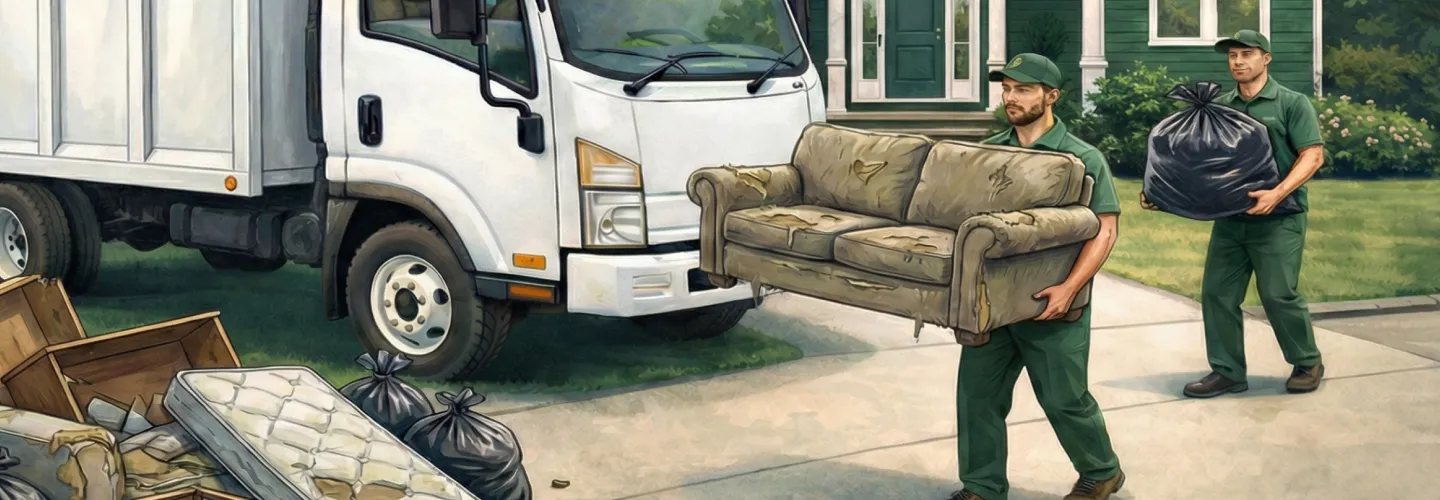
Hampton Retail Stores Junk Removal Services
Choose our Retail Stores Junk Removal for fast, reliable, and discreet service that keeps your business looking its best—so you can focus on your customers, not the clutter.
Get a Free QuoteOur Hampton Junk Removal Services
Retail Stores Junk Removal in Hampton, GA – Local Service Guide
Retail stores in Hampton, GA, face unique challenges when it comes to junk removal, from seasonal inventory changes to store renovations and ongoing compliance with local regulations. In busy areas like the Hampton Main Street district and near Tara Boulevard, retail businesses often need prompt, discreet removal of outdated fixtures, packaging waste, and display materials. Timing is crucial—many stores schedule junk removal after major sales events or before new product launches to keep spaces clear and inviting. Local disposal options include recycling programs and donation centers, but some items require special handling or permits. For larger projects, such as store remodels or closures, coordination with city services and adherence to local ordinances is essential. For more information on local rules and resources, visit the Hampton Public Works Department.
Key Considerations for Retail Stores Junk Removal in Hampton
- Scheduling around store hours and peak shopping times
- Securing necessary permits for bulk disposal
- Choosing proper disposal channels for electronics and fixtures
- Ensuring easy access for removal trucks in busy retail zones
- Managing high-volume waste during seasonal transitions
- Coordinating with property managers in shopping centers
Benefits of Retail Stores Junk Removal in Hampton
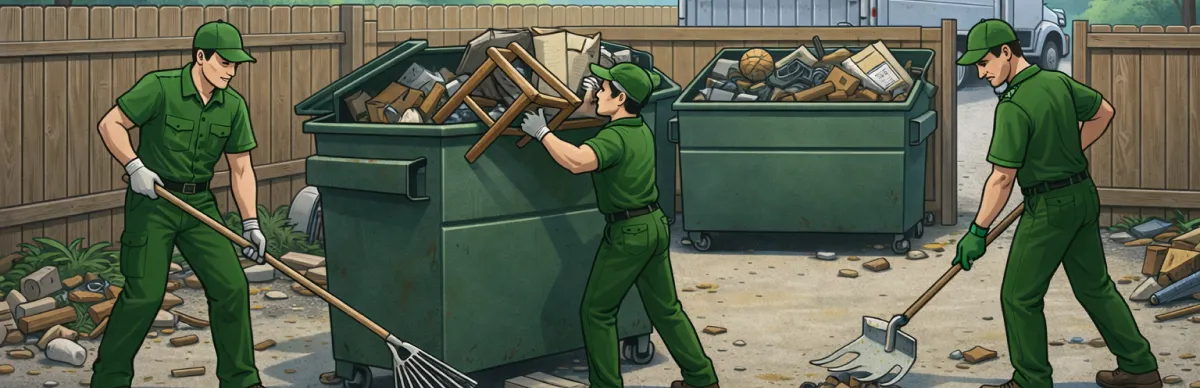
Fast Retail Junk Removal
Eco-Friendly Disposal Solutions
Flexible Scheduling Options
Experienced Junk Removal Team
Safe and Reliable Service
Cost-Effective Junk Removal
Coordinating Retail Store Cleanout Waste with Hampton's Public Works Department
Retail store junk removal in Hampton, GA, requires coordination with the city's municipal waste infrastructure. When a retail location undergoes a cleanout—whether due to closure, renovation, or inventory liquidation—commercial waste generators must comply with local sanitation requirements. Hampton's Public Works Department oversees solid waste services, including guidance on proper disposal channels for commercial properties. Retail store cleanouts typically produce a mix of materials that require sorting before disposal:
- Display fixtures and shelving units — often made of metal, wood, or composite materials requiring separation
- Signage and promotional materials — may contain plastics, vinyl, or electronic components
- Packaging waste — cardboard, shrink wrap, and polystyrene must be diverted from landfill where possible
- Damaged or unsold merchandise — donation or recycling should be explored before disposal
- Flooring and ceiling tiles — older materials may contain asbestos, requiring professional assessment
Commercial haulers operating within Hampton must maintain proper licensing. Contact the city to confirm current commercial waste collection requirements and scheduling protocols.
Hampton Public Works Department
1907 Highway 81, Hampton, GA 30228
Phone: (770) 946-4306
Official Website: Hampton Public Works Department
Georgia's Solid Waste Management Act and Retail Disposal Compliance
Retail store junk removal in Hampton must comply with the Georgia Comprehensive Solid Waste Management Act (O.C.G.A. § 12-8-20) administered by the Georgia Environmental Protection Division. This legislation establishes the regulatory framework governing how commercial waste—including retail store debris—is transported, processed, and disposed of across the state. Key compliance requirements for retail store cleanouts include:
- Waste characterization — generators must identify hazardous versus non-hazardous materials before disposal
- Transporter permits — haulers must hold valid Georgia solid waste handling permits
- Manifest documentation — records of waste type, volume, and destination facility must be maintained
- Prohibited materials — electronics, batteries, fluorescent lighting, and refrigerants cannot enter municipal solid waste streams
- Landfill restrictions — lead-acid batteries, used oil, and tires are banned from Georgia landfills
Retail stores disposing of electronic point-of-sale equipment, security systems, or fluorescent lighting must use certified recycling facilities. The Georgia Environmental Protection Division maintains a list of permitted solid waste handling facilities and can provide guidance on proper disposal channels for specialty retail waste streams.
Georgia Environmental Protection Division
2 Martin Luther King Jr. Drive SE, Suite 1462, Atlanta, GA 30334
Phone: (404) 656-4713
Official Website: Georgia Environmental Protection Division
Hampton Building Permits and Code Compliance for Retail Store Renovation Debris
When retail store junk removal accompanies renovation, remodeling, or demolition work, Hampton's Building Inspections Department must be consulted for applicable permit requirements. Structural modifications to commercial retail spaces—including removal of built-in fixtures, interior walls, or flooring—may trigger building permit obligations under the city's adopted building codes. Retail property owners and contractors should address the following before beginning removal work:
- Permit verification — confirm whether the scope of work requires a commercial building permit through Hampton's Building Inspections office
- Asbestos assessment — retail buildings constructed before 1980 may contain asbestos in floor tiles, ceiling materials, or insulation; Georgia requires a licensed inspector to conduct surveys before demolition
- Lead paint considerations — structures built before 1978 must follow EPA Renovation, Repair, and Painting Rule protocols
- Debris containment — construction and demolition waste must be contained on-site and not allowed to enter stormwater drainage systems
- Disposal documentation — C&D debris must be transported to permitted facilities; manifests should be retained for a minimum of three years
Review Hampton's ordinances for property maintenance standards that apply during and after retail cleanout projects.
Hampton Building Inspections
1907 Highway 81, Hampton, GA 30228
Phone: (770) 946-4306
Official Website: Hampton Building Inspections
Recycling and Donation Diversion Strategies for Hampton Retail Store Materials
Retail store cleanouts generate significant volumes of recyclable and reusable materials that should be diverted from landfill disposal whenever possible. Hampton is located within Henry County, which supports waste diversion through regional recycling infrastructure. Retail store operators and junk removal providers should prioritize the following material recovery strategies:
- Metal fixtures and shelving — steel and aluminum display units, clothing racks, and brackets are accepted at scrap metal recycling facilities throughout the Henry County area
- Cardboard and paper — corrugated cardboard, paper packaging, and office paper should be baled or bundled for recycling collection
- Electronics and POS equipment — computers, monitors, receipt printers, and security cameras must be recycled through certified e-waste processors; Georgia does not currently have a statewide e-waste landfill ban, but responsible recycling is strongly encouraged
- Usable merchandise and fixtures — Habitat for Humanity ReStores and local charitable organizations accept donated retail fixtures, furniture, and unsold goods in functional condition
- Fluorescent lighting — tubes and compact fluorescent lamps contain mercury and must be handled as universal waste under EPA RCRA regulations
Hampton's Stormwater Management program also requires that debris and waste materials be prevented from entering storm drains during cleanout operations, particularly in parking lot and loading dock areas.
Safety and Hazardous Material Handling During Hampton Retail Store Cleanouts
Retail store junk removal presents specific safety hazards that require proper planning and professional handling. OSHA workplace safety standards apply to all commercial cleanout operations, and workers must be equipped and trained for the materials they encounter. Common hazards in retail store environments include:
- Heavy fixture removal — commercial shelving, display cases, and refrigeration units may weigh several hundred pounds and require mechanical lifting equipment or team-lift protocols
- Broken glass and sharp materials — damaged display cases, mirrors, and merchandise create laceration risks; cut-resistant gloves and protective footwear are mandatory
- Chemical products — retail stores selling automotive, cleaning, or beauty products may have residual hazardous chemicals requiring separation and proper disposal through Henry County's household hazardous waste collection programs
- Electrical hazards — disconnection of hardwired fixtures, signage, and security systems should be performed by licensed electricians before removal
- Slip and trip hazards — cluttered retail spaces with debris on floors require clear pathways and proper lighting during removal operations
For fire safety concerns during large-scale retail cleanouts, coordinate with Henry County Fire Rescue to ensure emergency access is maintained and fire suppression systems remain operational throughout the project.
Henry County Fire Rescue
Phone: (770) 288-7580
Official Website: Henry County Fire Rescue
What Neighborhoods Do We Serve Throughout Hampton, GA?
- Downtown Hampton Historic District: This area features older commercial buildings along Main Street with narrow rear access and limited loading zones. Retail store cleanouts may require coordination with Hampton Main Street & Economic Development for any street-use considerations, and older structures should be assessed for asbestos-containing materials before demolition work begins.
- Hampton Village: A mixed-use area with retail strip centers and standalone commercial properties. Wide parking lots generally allow straightforward truck access for junk removal, though coordination with property management is recommended for multi-tenant buildings to avoid disrupting adjacent businesses.
- Bear Creek Estates Area: Primarily residential, but home-based retail operations and small commercial properties along Highway 19/41 may require cleanout services. Residential street access is generally unrestricted, though larger removal vehicles should confirm weight limits on subdivision roads.
- Lovejoy Road Corridor: Commercial and light industrial properties along this corridor include retail spaces with loading dock access. Larger retail cleanouts benefit from rear-entry loading capabilities, and proximity to regional transportation routes facilitates efficient hauling to permitted disposal facilities.
- Lake Spivey Area: Retail properties near this community serve surrounding residential neighborhoods. Parking lot access is typically adequate for removal trucks, but weekend scheduling may be necessary to avoid peak customer traffic periods at adjacent operating businesses.