
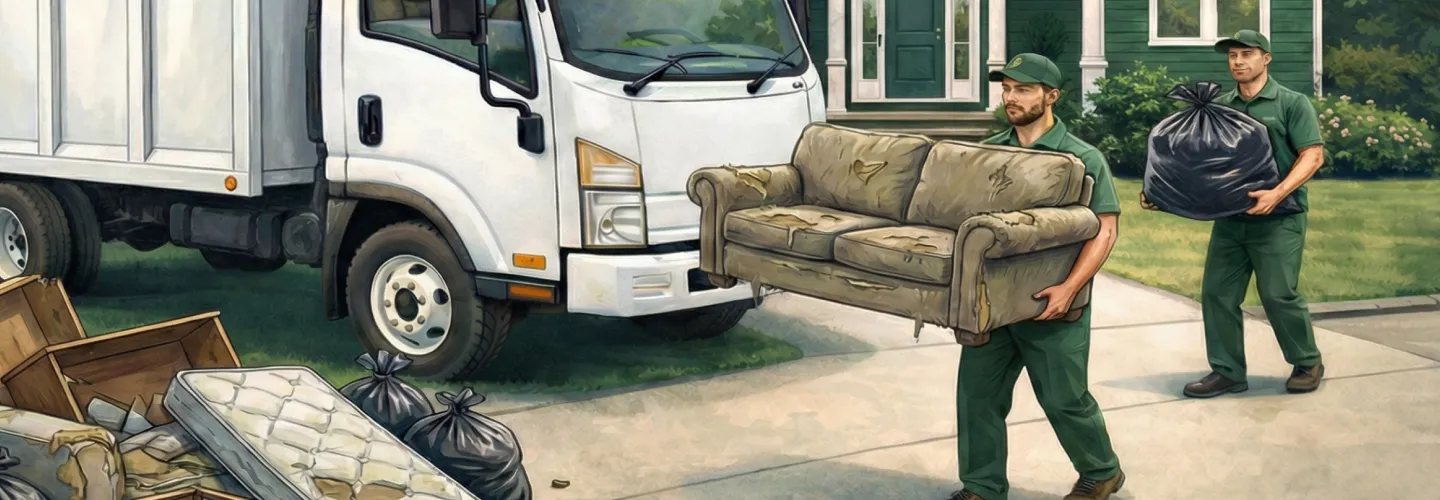
Hampton Furniture Removal Services
Choose our furniture removal service for reliable, hassle-free pickups, eco-friendly disposal, and a team dedicated to making your move or cleanout smooth and worry-free.
Get a Free QuoteOur Hampton Junk Removal Services
Furniture Removal in Hampton, GA – Local Service Guide
Furniture removal in Hampton, GA, is a vital service for residents and businesses navigating seasonal cleanouts, life transitions, and property upgrades. In neighborhoods like Tara Place and Crystal Lake, residents often schedule furniture, mattress, or appliance removal during spring cleaning, after storms, or when replacing old items. Options include donating usable pieces, recycling metal or electronics, or arranging for responsible disposal. Access and weather—especially during rainy seasons—can impact logistics, particularly for large items or properties with limited driveway space.
For residential spaces such as garages, basements, or yards, cleanouts are common after heavy rains or during fall leaf cycles, especially in areas prone to flooding or with dense tree coverage. Commercial clients in Hampton’s Main Street district or near the industrial park require discreet, timely removal for offices, restaurants, or retail spaces, often coordinating after hours to minimize disruption. Specialty services—like estate, foreclosure, or construction debris removal—demand careful planning and coordination, especially for larger volumes or sensitive situations.
Benefits of Furniture Removal in Hampton
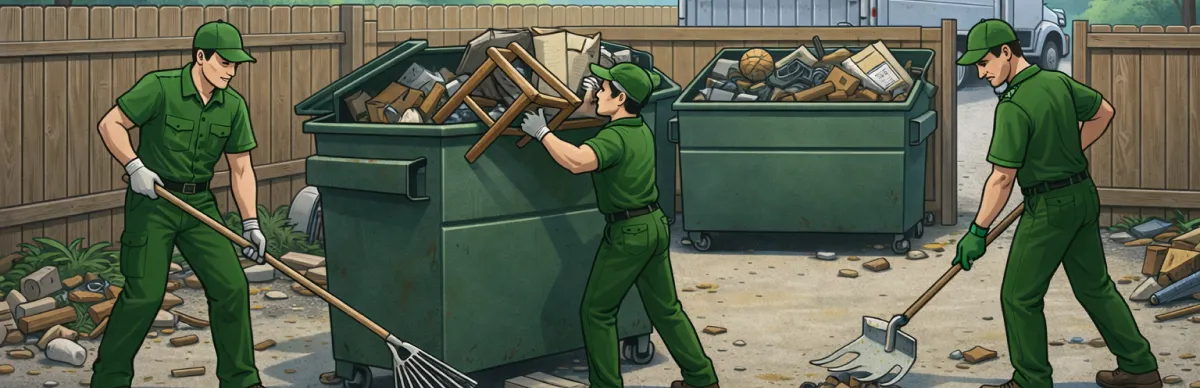
Fast and Efficient Service
Experienced Removal Team
Safe Furniture Handling
Eco-Friendly Disposal
Flexible Scheduling Options
Transparent Upfront Pricing
Coordinating Furniture Disposal with Hampton's Public Works and Sanitation Services
Hampton residents seeking to dispose of unwanted furniture must coordinate with the city's municipal sanitation services to ensure compliance with local waste management requirements. The Hampton Public Works Department oversees solid waste collection, including bulk item pickup for oversized household furniture such as sofas, mattresses, dressers, and dining sets. Residents should be aware of the following guidelines when preparing furniture for removal:
- Schedule in advance by contacting Public Works to arrange bulk furniture pickup, as oversized items are not collected during regular curbside service
- Place items curbside on the designated collection day; furniture left in yards, alleys, or on sidewalks outside scheduled windows may trigger code enforcement action
- Remove all non-furniture materials such as loose cushions, hardware, or packaging before placing items at the curb
- Separate recyclable components including metal frames, wooden legs, and fabric coverings when possible
- Do not block sidewalks, fire hydrants, or drainage infrastructure with staged furniture
Hampton Public Works Department
1907 Highway 81, Hampton, GA 30228
Phone: (770) 946-4306
Official Website: Hampton Public Works Department
Residents in unincorporated areas surrounding Hampton may fall under Henry County jurisdiction for waste services and should verify their service provider before scheduling pickup.
Georgia's Solid Waste Management Act and Furniture Disposal Compliance
All furniture disposal activities in Hampton must comply with the Georgia Comprehensive Solid Waste Management Act (O.C.G.A. § 12-8-20) administered by the Georgia Environmental Protection Division (GA EPD). This state law establishes the regulatory framework governing how solid waste, including discarded household and commercial furniture, is collected, transported, and disposed of across all Georgia municipalities. Key compliance requirements include:
- Illegal dumping prohibition — Abandoning furniture on roadsides, vacant lots, or waterways violates Georgia law and carries fines ranging from $1,000 to $50,000 per occurrence, plus potential imprisonment
- Licensed hauler requirement — Commercial furniture removal operators must hold valid solid waste handling permits issued by GA EPD
- Landfill acceptance standards — Furniture containing hazardous components such as flame retardants, lead-based finishes, or mercury switches must be separated and handled according to hazardous waste protocols
- Manifest and tracking — Commercial haulers transporting large volumes of furniture waste must maintain proper documentation of disposal destinations
Hampton's city ordinances further reinforce state requirements by establishing local property maintenance standards that prohibit the accumulation of discarded furniture on residential and commercial properties. Code enforcement officers may issue citations for furniture left in violation of these standards.
Furniture Donation and Recycling Programs Serving Hampton Residents
Before disposing of furniture through waste collection, Hampton residents are encouraged to explore donation and recycling alternatives that extend the useful life of items and reduce landfill burden. Henry County and the greater south metro Atlanta area offer several options for diverting reusable furniture from the waste stream:
- Habitat for Humanity ReStore — Accepts gently used furniture including couches, tables, chairs, bed frames, and shelving units; items must be in functional condition with no significant damage, stains, or pest infestation
- Goodwill and Salvation Army donation centers — Located throughout the south metro Atlanta region, these organizations accept household furniture and may offer pickup services for large items
- Scrap metal recovery — Metal furniture frames, filing cabinets, and shelving can be taken to licensed scrap metal recyclers for material recovery
- Wood furniture recycling — Untreated solid wood furniture may be accepted at wood waste recycling facilities for chipping and mulch production
Residents should note that upholstered furniture with visible mold, pest damage, or structural failure is generally not accepted by donation programs and must be disposed of through proper waste channels. The Hampton Main Street & Economic Development office may provide information on local reuse initiatives and community donation drives.
Building Access and Safety Considerations for Furniture Removal in Hampton
Removing large furniture from residential and commercial properties in Hampton requires careful attention to building access constraints and worker safety protocols. Properties built before 1978 may contain lead-based paint on furniture surfaces or surrounding trim, requiring compliance with the EPA Renovation, Repair, and Painting Rule during removal activities that disturb painted surfaces. Key safety and access considerations include:
- Doorway and hallway clearance — Measure all exit paths before attempting removal; standard interior doorways are 30–36 inches wide, and furniture wider than the narrowest passage point must be partially disassembled
- Stairwell navigation — Multi-story homes require two-person teams minimum for heavy items such as sleeper sofas, armoires, and solid wood dressers exceeding 150 pounds
- Floor and wall protection — Use moving blankets, corner guards, and floor runners to prevent damage to hardwood floors, drywall, and door frames during extraction
- Personal protective equipment — Workers should wear closed-toe shoes, work gloves, and back support belts when handling heavy furniture
- Pest inspection — Upholstered furniture should be inspected for bed bugs, termites, or rodent evidence before transport to prevent contamination of vehicles and disposal facilities
For commercial properties or renovation projects requiring furniture removal, the Hampton Building Inspections department can advise on any permit requirements related to interior demolition or structural modifications that accompany large-scale furniture extraction.
Hampton Building Inspections
1907 Highway 81, Hampton, GA 30228
Phone: (770) 946-4306
Official Website: Hampton Building Inspections
Stormwater Protection and Environmental Compliance During Furniture Staging
When furniture is staged outdoors for pickup or removal in Hampton, residents and haulers must take precautions to prevent environmental contamination, particularly regarding stormwater runoff. The Hampton Stormwater Management program enforces regulations designed to protect local waterways and drainage infrastructure from pollutants that may leach from discarded furniture materials. Important environmental compliance measures include:
- Avoid staging near storm drains — Furniture placed near curb inlets or drainage ditches may release fabric dyes, wood preservatives, or foam chemicals into stormwater systems during rain events
- Cover upholstered items — If furniture must remain outdoors overnight, cover with tarps to prevent rainwater absorption that creates contaminated runoff
- Contain loose debris — Broken furniture pieces, foam padding, fabric scraps, and hardware must be bagged or contained to prevent wind dispersal into waterways
- Prohibit fluid-containing items — Furniture with attached mechanisms containing hydraulic fluid, such as recliner chairs or adjustable office chairs, must have fluids drained and properly disposed of before curbside placement
- Report illegal dumping — Furniture abandoned on public property or near waterways can be reported to the Hampton Police Department or code enforcement
Hampton Stormwater Management
1907 Highway 81, Hampton, GA 30228
Phone: (770) 946-4306
Official Website: Hampton Stormwater Management
What Neighborhoods Do We Serve Throughout Hampton, GA?
- Downtown Hampton Historic District: This area features older homes and commercial buildings along Main Street with narrow lot configurations and limited driveway space. Furniture removal from historic properties may require extra care to protect original architectural features, and street parking for removal vehicles should be coordinated to avoid disrupting downtown traffic flow.
- Bear Creek Subdivision: A residential community with single-family homes featuring standard two-car driveways and moderate street widths. Most properties offer direct garage or front-door access for furniture extraction, though cul-de-sac locations may require advance vehicle positioning for larger removal trucks.
- Hampton Lakes and Surrounding Developments: Newer construction neighborhoods with wider streets and open floor plans that facilitate easier furniture movement. HOA regulations may govern curbside staging duration and require advance notification before placing large items outside for pickup.
- Lovejoy Road Corridor: A mix of established residential properties and rural homesites along this corridor presents varied access conditions. Longer driveways, unpaved surfaces, and limited turnaround space may require smaller vehicles or additional planning for furniture removal logistics.
- West Hampton Residential Areas: Older ranch-style and split-level homes in this section often have narrow interior hallways and basement access points that complicate removal of oversized furniture. Properties built before 1978 should be assessed for lead paint considerations before disturbing painted surfaces during furniture extraction.
- Highway 19/41 Commercial Corridor: Commercial properties along this route include offices, retail spaces, and mixed-use buildings that may require furniture removal during lease turnovers or business relocations. Building management coordination, loading dock access, and after-hours scheduling are common considerations in this area.