
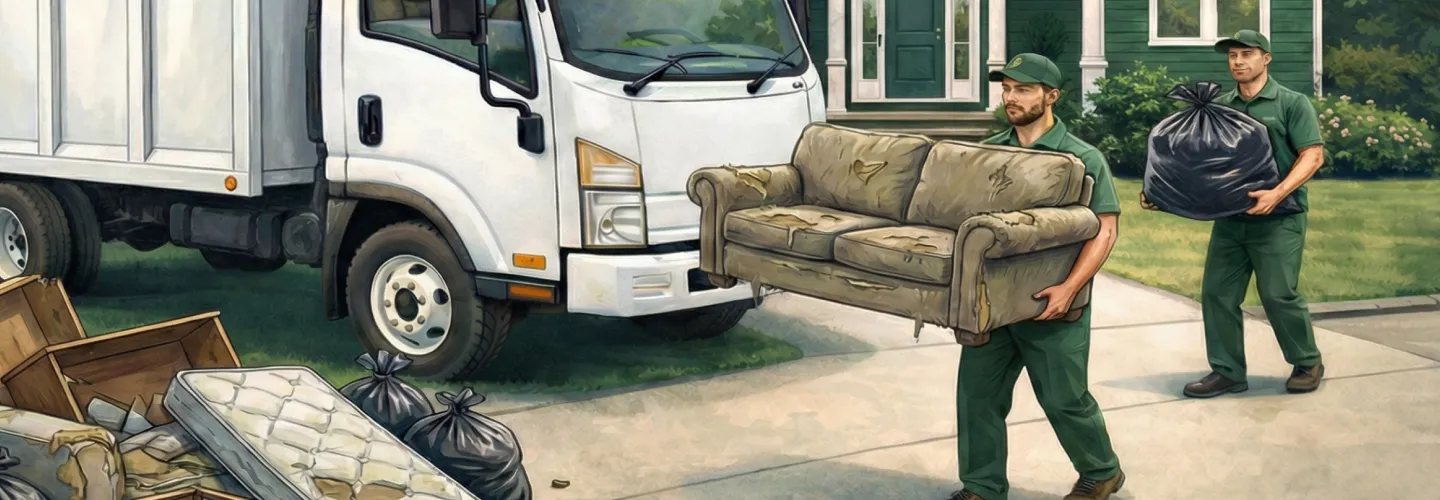
Hampton Garage Clean Out Services
Choose our Garage Clean Out service for a hassle-free, thorough clean that transforms your cluttered garage into an organized, usable space—saving you time, stress, and effort.
Get a Free QuoteOur Hampton Junk Removal Services
Garage Clean Out in Hampton, GA – Local Service Guide
Garage clean outs in Hampton, GA are often prompted by seasonal changes, home upgrades, or life events like moving or estate transitions. In neighborhoods such as Crystal Lake and Tara Place, residents frequently schedule clean outs during spring or after major storms to clear out accumulated clutter, old furniture, or broken appliances. Local disposal options include donation centers, recycling facilities, and municipal waste services, but access and weather—especially during humid summers or rainy spells—can impact logistics. For residential spaces, flooding in low-lying areas or heavy tree coverage in communities like Hampton Oaks can drive the need for more frequent clean outs, especially after storms or during yard maintenance cycles. Commercial properties in the downtown district or near the Speedway require discreet, timely service to minimize business disruption, often dealing with higher volumes and stricter operational requirements. Specialty clean outs, such as for estate or foreclosure properties, demand careful planning and coordination, particularly when handling hazardous materials or large debris. For local rules and disposal resources, visit the Hampton Public Works Department.
Key Considerations for Garage Clean Out in Hampton
- Timing around storms, spring cleaning, or property sales
- Permits or local disposal regulations
- Access challenges in older neighborhoods or flood-prone areas
- Choosing proper disposal or recycling channels
- Volume and category of items (appliances, yard waste, specialty debris)
- Coordination for commercial or specialty projects
Benefits of Garage Clean Out in Hampton
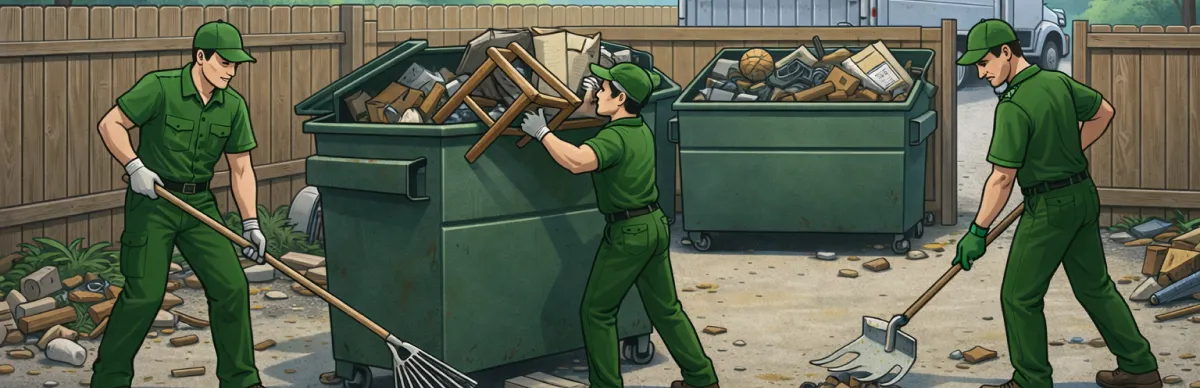
Fast and Efficient Service
Experienced Clean Out Professionals
Eco-Friendly Disposal Solutions
Transparent Upfront Pricing
Flexible Scheduling Options
Comprehensive Garage Organization
Coordinating Garage Clean Out Debris Disposal with Hampton's Public Works Department
Residents undertaking a garage clean out in Hampton, GA, should coordinate with the city's Public Works Department to ensure proper disposal of accumulated items. Garage cleanouts typically generate a mix of household goods, old tools, seasonal equipment, and miscellaneous debris that may not qualify for regular curbside collection. Hampton's municipal sanitation services handle routine waste, but oversized or bulk items often require separate scheduling or self-hauling to an approved facility. Before beginning a cleanout, residents should take the following steps:
- Separate items into categories: recyclables, donatable goods, hazardous materials, and general waste
- Contact Public Works to confirm bulk pickup availability and any scheduling requirements
- Verify item limits for curbside collection, as oversized loads may exceed standard pickup allowances
- Identify prohibited materials such as paints, solvents, automotive fluids, and batteries that cannot enter the regular waste stream
- Confirm collection day requirements, including placement location and timing
Hampton Public Works Department
1907 Highway 81, Hampton, GA 30228
Phone: (770) 946-4306
Official Website: Hampton Public Works Department
Henry County also operates transfer and convenience center facilities that Hampton residents may use for self-hauling garage cleanout debris that exceeds municipal pickup limits.
Georgia's Solid Waste Management Act and Garage Cleanout Compliance Requirements
Georgia regulates solid waste disposal through the Georgia Comprehensive Solid Waste Management Act (O.C.G.A. § 12-8-20 et seq.), which establishes standards for waste handling, transportation, and disposal statewide. Hampton residents conducting garage cleanouts must comply with both state and local requirements to avoid penalties. The Georgia Environmental Protection Division (GA EPD) oversees enforcement and permitting for solid waste facilities across the state. Key compliance considerations for garage cleanouts include:
- Illegal dumping prohibition — disposing of garage debris on vacant lots, roadsides, or waterways violates Georgia law and may result in fines of $1,000 or more per occurrence
- Tire disposal restrictions — scrap tires are banned from Georgia landfills and must be taken to permitted tire processors or collection events
- Lead-acid batteries — must be recycled through authorized retailers or collection facilities; landfill disposal is prohibited
- Appliances containing refrigerants — units such as old refrigerators or window air conditioners stored in garages require certified refrigerant recovery per EPA Section 608 regulations before disposal
- Used motor oil and automotive fluids — commonly found during garage cleanouts, these are classified as hazardous waste and must be taken to designated collection points
Hampton's city ordinances further define property maintenance standards that may apply when debris accumulates on residential properties.
Hazardous Material Identification and Safe Handling During Hampton Garage Cleanouts
Garages frequently store hazardous materials that require special handling and cannot be placed in regular trash or bulk collection. Hampton residents should carefully inspect all containers, shelves, and storage areas before disposing of garage contents. Common hazardous items found during garage cleanouts include:
- Paints, stains, and varnishes — both latex and oil-based products require proper disposal; dried latex paint (solidified with kitty litter or sand) may be accepted in regular trash, but liquid paint must go to a household hazardous waste collection event
- Pesticides, herbicides, and fertilizers — chemical lawn and garden products must not enter the storm drain system or regular waste stream
- Gasoline, kerosene, and propane tanks — flammable materials require specialized handling and cannot be placed curbside
- Pool chemicals — chlorine and other pool treatment products are reactive and must be kept separate from other waste
Henry County periodically hosts Household Hazardous Waste Collection events where Hampton residents can drop off these materials at no charge. Hampton's Stormwater Management program also provides guidance on preventing contamination of local waterways during cleanout activities. Residents should never pour chemicals down drains, storm grates, or onto the ground, as this violates both local stormwater ordinances and state environmental regulations.
Henry County Fire Rescue
140 Henry Parkway, McDonough, GA 30253
Phone: (770) 288-7580
Official Website: Henry County Fire Rescue
Contact Henry County Fire Rescue for guidance on safe storage or emergency response related to flammable or reactive materials discovered during a garage cleanout.
Recycling and Donation Opportunities for Garage Cleanout Items in Hampton
Before sending garage cleanout materials to a landfill, Hampton residents should evaluate items for recycling or donation to support landfill diversion goals. Many items commonly stored in garages — including furniture, sporting equipment, tools, and electronics — retain usable value. The following disposal hierarchy is recommended:
- Donate usable items — organizations such as Habitat for Humanity ReStore and Goodwill accept tools, furniture, sporting goods, and household items in working condition
- Recycle scrap metal — old lawn mowers, bicycles, metal shelving, and automotive parts can be taken to scrap metal recyclers in the Henry County area
- Recycle electronics — computers, monitors, printers, and televisions should not be placed in regular trash; Georgia does not currently have a statewide e-waste landfill ban, but responsible recycling is strongly encouraged through certified e-waste recyclers
- Separate cardboard and paper — boxes and packaging materials from stored items should be broken down and placed in recycling bins
- Recycle appliances properly — small appliances may be accepted in scrap metal recycling; larger units with refrigerants require certified recovery
Hampton's Main Street & Economic Development office can provide information about local charitable organizations and community reuse programs that accept donated goods from residential cleanouts.
Building Code and Property Maintenance Standards for Hampton Garage Cleanouts
Hampton enforces property maintenance and building codes that may affect how residents manage garage cleanout projects, particularly when structural modifications or significant debris removal is involved. Accumulated clutter in garages can create fire hazards, obstruct egress, and attract pests — all of which may trigger code enforcement action. Residents should be aware of the following:
- Property maintenance compliance — Hampton ordinances require that residential properties, including garages, be maintained in a safe and sanitary condition free of excessive debris accumulation
- Building permits for structural work — if a garage cleanout reveals the need for repairs, electrical updates, or structural modifications, permits may be required through Hampton's Building Inspections department
- Fire code clearances — garages must maintain clear pathways and should not store flammable materials near electrical panels, water heaters, or furnace units
- Pest and rodent concerns — long-term accumulation in garages may harbor rodent nests or insect infestations; professional pest treatment may be needed before or after cleanout
Hampton Building Inspections
1907 Highway 81, Hampton, GA 30228
Phone: (770) 946-4306
Official Website: Hampton Building Inspections
Residents who discover structural damage, mold, or potential asbestos-containing materials in older garages (pre-1980 construction) should consult the EPA Renovation, Repair, and Painting Rule and contact a licensed professional before proceeding with removal work.
What Neighborhoods Do We Serve Throughout Hampton, GA?
- Downtown Hampton Historic District: Older homes near Main Street may have detached garages with narrow alley access and aging structures. Cleanout projects in this area should account for potential lead paint on older garage surfaces and limited truck maneuvering space on historic streets.
- Bear Creek Subdivision: Single-family homes with attached two-car garages and wide driveways provide straightforward access for cleanout crews. HOA guidelines may govern debris staging on driveways and curbside placement timing.
- Lovejoy Road Corridor: Properties along this corridor include a mix of established ranch-style homes with detached garages and outbuildings. Longer driveways and rural-adjacent lots may require advance coordination for larger removal vehicles.
- Hampton Oaks: This residential community features newer construction with standard attached garages. Residents frequently accumulate moving boxes, seasonal décor, and household overflow that benefit from periodic cleanout and recycling sorting.
- Tussahaw Point and Lake-Adjacent Areas: Properties near Tussahaw Creek and surrounding waterways must exercise particular caution with chemical disposal during garage cleanouts. Hampton's Stormwater Management guidelines strictly prohibit runoff of automotive fluids, paints, or chemicals into storm drains and natural water features.
- Highway 19/41 Commercial Corridor: Mixed-use properties and small businesses along this corridor may have commercial garage or warehouse spaces requiring cleanout. Business owners should verify commercial waste hauler requirements and ensure proper licensing through Hampton's Planning & Zoning department.